 admin
adminUnderstanding Your Partner’s Communication Style
Identifying Different Styles
One of the key aspects I’ve learned in relationships is that everyone has their own way of communicating. Some folks are open and expressive, while others might be more reserved. Recognizing this can make a world of difference. It’s not just about talking; it’s about understanding how your partner prefers to share their thoughts and feelings.
In my experience, taking the time to observe how your partner communicates can reveal a lot. For instance, ask questions and be attentive to their body language. Are they comfortable with direct eye contact, or do they seem more relaxed when they can express themselves through text or written notes? These insights help in building a communication bridge.
Ultimately, embracing these differences doesn’t just help conversations flow more smoothly; it fosters a sense of respect and validation for how your partner chooses to communicate. It’s all about meeting each other halfway.
Adapting Your Communication Style
Once I figured out my partner’s style, the next step was adapting my own. This isn’t about completely changing who I am but rather learning to be flexible. If my partner tends to be the quiet type, I’ve learned to give them the space to articulate their thoughts. Patience has been crucial in this aspect.
I found that sometimes it’s as simple as rephrasing my questions or being there silently when they need time to digest their feelings. Rather than pushing for instant replies, I allow for pauses and silences; this creates a safe space for them to open up without feeling pressured.
The more I adjusted, the more I noticed how better our discussions flowed. It transformed our conversations from potentially confrontational to constructive—outcomes I had only dreamed of in previous relationships.
Clarifying Expectations
Setting clear communication expectations has been a game-changer for me. When I think back to challenging moments, many stemmed from misaligned expectations. I learned that it’s essential to discuss what we both need from our conversations. Do we expect complete honesty, or is it okay to sugarcoat things sometimes?
We made it a point to discuss our boundaries openly—like what topics might be sensitive or whether we should give each other a heads-up about heavy topics. By doing this, we laid out a roadmap that once seemed unclear, helping us navigate through tough conversations with way more ease.
Ultimately, clear expectations not only improved our communication but also deepened our trust. Knowing that we both valued honesty—even if it was hard—made it easier to share openly, creating a richer connection between us. This is something I cannot stress enough for anyone looking to bolster their relationship communication!
Practicing Active Listening
The Art of Listening
Active listening has been one of those skills that seemed basic but required serious practice. I found myself often formulating my response while my partner was still talking—totally missing out on what they were actually saying. So, I made it a point to stop that habit!
Now, when my partner shares something, I focus entirely on them. I nod, maintain eye contact, and repeat back what I heard to confirm understanding. This doesn’t just show that I’m listening; it reassures them that their thoughts and feelings are valid and valuable.
In turn, they’ve begun to feel safe opening up, knowing I’m genuinely engaged in our discussions. This kind of listening makes it much easier for both of us to feel seen and heard, which, let’s be honest, is fundamental in any relationship.
Eliminating Distractions
One day, I realized I could be easily distracted by my phone or TV while talking, which totally ruins the vibe. It’s like, how can you even call it a conversation if one person is scrolling through their feed? So, we started implementing ‘phone-free’ times during conversations to really tune in with one another.
Being present has made a huge difference. We either put our phones away or have dedicated discussion times where we are both mentally and physically present for each other. This creates a space for honest dialogue instead of half-hearted exchanges.
Since adopting this practice, I’ve noticed we’ve built a level of intimacy that was sorely lacking. I love that we can genuinely listen and absorb each other’s words without the constant interruptions. This mutual respect fuels better understanding and connection.
Embracing Empathy
Empathy is like the emotional glue that holds relationships together. When I stepped into my partner’s shoes during conversations, I gained insights that I could never have accessed otherwise. Empathy isn’t just about feeling for someone; it involves understanding why they feel that way.
Limited: 🥰Beta Test Our 10-Video Mini Course For Free ” The Full Course Will Soon Be $297 ” 🥰5:1 Conflict2Connection Healthy Relationship Mastery Course Mini Course 🥰
Find Out More Here
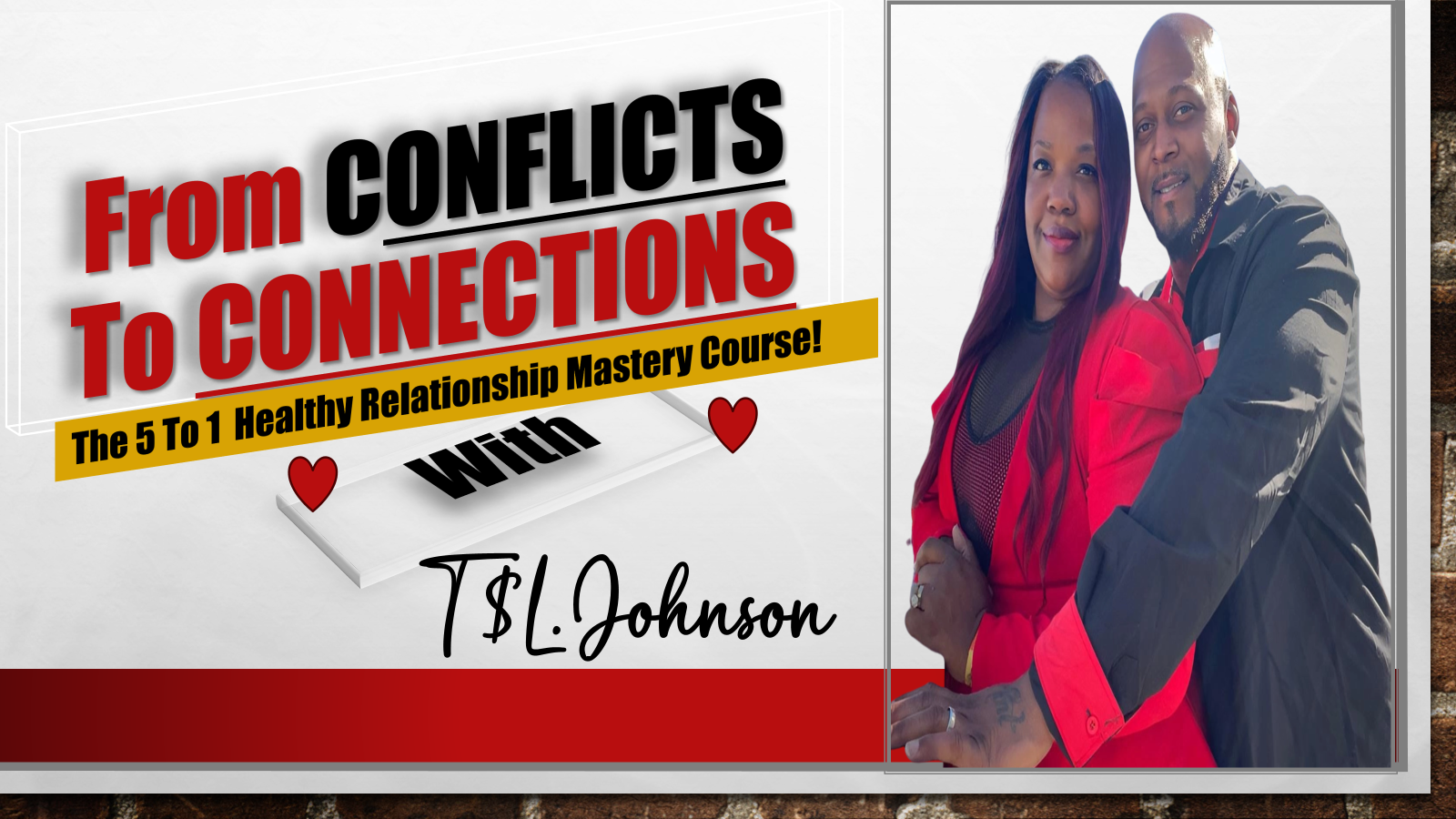
When my partner shares frustrations about work or life, instead of jumping in with solutions, I now take a moment to validate their feelings. “That sounds really tough,” I’d say, letting them know that their experience matters. This simple acknowledgment can alleviate so much unnecessary tension.
Practicing empathy has entirely reshaped how I communicate. By offering support rather than problem-solving right away, we’ve created a space where vulnerability thrives, allowing us both to express ourselves freely and honestly.
Scheduling Regular Check-Ins
Why Check-Ins Matter
I’ve discovered that regularly scheduled check-ins are a lifesaver for any label-laden relationship. Whether it’s during a quiet dinner at home or while taking a stroll, these moments create opportunities for open dialogue about how we’re feeling without delving into the daily grind’s chaos.
These check-ins allow us to discuss how our week has been, address any budding issues, and share our thoughts about our relationship in general. It’s less about confronting problems and more about celebrating or reevaluating our journey together. In my experience, these conversations remind us of what we appreciate in each other.
By creating this space, I feel we prepare ourselves to handle conflicts and challenges more effectively. Instead of letting things fester, we talk things through calmly and constructively, which is crucial for maintaining a healthy partnership.
Creating a Safe Space for Sharing
During our check-ins, creating a safe space to share feelings has been vital. I’ve found that we must both agree that no topic is off-limits within these conversations. This leads to deeper understanding and connection, as we both feel free to express ourselves fully.
I always emphasize that this space is for constructive dialogue. The goal is to express happiness, worries, and aspirations, not to criticize or place blame. My partner and I take turns leading these talks, giving each of us a chance to express ourselves without feeling overshadowed.
These sessions have turned into cherished moments that not only strengthen our relationship but make us appreciate the effort we each put into communication. It’s such a beautiful feeling to be on the same page about our lives together.
Reflecting on Progress
Looking back, it’s beneficial to reflect on how far we’ve come in our communication journey. I often suggest we take a moment during our check-ins to appreciate the progress we’ve made. This isn’t about keep scores but rather acknowledging the hard work both of us have put in to make things better.
By celebrating our wins — such as resolving a previous issue without conflict or finding a way to discuss topics we once avoided — we reinforce our commitment to improving together and give each other a much-needed motivational boost.
Reflection reminds us that communication in a relationship is an ongoing journey, cultivating resilience and patience as we grow. It motivates us to keep improving, ensuring that our relationship continues to flourish.
Frequently Asked Questions
1. What is the most effective way to communicate with my partner?
The most effective way to communicate is to understand each other’s communication styles and practice active listening. Taking the time to listen without formulating a response can make a huge difference.
2. How do I know if I am truly listening during conversations?
If you find yourself nodding along and repeating back what your partner says, you’re on the right track! Genuine engagement requires active participation rather than just waiting for your turn to respond.
3. How often should we check in with each other?
Scheduling check-ins weekly or bi-weekly can create a rhythm that helps keep communication fresh. Tailor it to what works for both of you—whatever fosters connection!
4. What if difficult topics arise during check-ins?
Difficult topics are part of healthy communication. Ensure the environment remains safe and respectful, and remember it’s okay to take a break and revisit the conversation when emotions are calmer.
5. Can communication habits change over time?
Absolutely! Just as we grow and evolve as individuals, our communication habits can improve with effort and dedication. Regular practice and conscious awareness can help in building healthier communication patterns.

Schedule Your First 20-Minute Coaching
Call With Us Today to see if we fit . You pick the price!
Click Here