 admin
adminUnderstand the Root Causes of Miscommunication
Explore personal experiences
When I look back at my own relationships, I realize that many misunderstandings stem from personal experiences. Each partner brings their own baggage, their own stories. It’s all too easy to mistakenly project past pain onto someone who might not intend to hurt us. I’ve had to consciously uncover my own triggers and voice them rather than letting them fester. This kind of understanding can truly change the game.
It’s essential to talk about where we are coming from. Sharing these backgrounds helps us create spaces for empathy and understanding. In discussions, I often find it helpful to phrase things as “I feel” rather than “you did,” which opens the door for conversation instead of conflict. Let’s be real—admitting that we’re affected by our past is tough, but it’s a huge step towards clearer communication.
By recognizing these roots, we can better articulate what we need from our partner instead of leaving them in the dark. Setting aside time for these heart-to-hearts has been a game-changer for me, leading to deeper bonds and a lot less drama.
Recognize Communication Styles
We all have different ways of expressing ourselves. In my experience, I’ve noticed that while some people are outspoken, others are more reserved. I’ve had to learn that my partner’s quieter nature doesn’t mean they aren’t engaged or interested. It’s all about figuring out what works for both of us. I remember a time when I was frustrated because my partner wasn’t responding how I wanted, but then I learned they process their thoughts differently—no biggie, just different!
Finding a middle ground is key. Mixing direct conversations with gentle nudges has helped me foster a smoother dialogue with my partner. We’ve both worked hard to embrace each other’s styles, leading to richer conversations and less friction. Learning to adjust and being patient with each other can make such a difference.
By recognizing these styles and adapting, we can decrease irritation and develop deeper connection as partners. The more flexible we are with our communication, the easier it becomes to share thoughts and feelings openly!
Practice Active Listening
This can be super tough when emotions are running high. I get it! When I was first introduced to active listening, I thought it was just some buzz phrase. But, oh boy, was I wrong! Committing to truly listen to what my partner says—and not just waiting to speak—has transformed how we interact. It’s about being present, repeating back what I hear, and showing I really care about their perspective!
It’s essential to put the phone down (yes, even for just a few minutes!) and focus solely on what my partner is saying. I’ve realized that this simple act speaks volumes. A genuine “I hear you” can dissolve frustration faster than you can say “miscommunication.” This habit takes time to develop, but trust me, it pays off big time.
Encouraging my partner to express themselves has also helped, inviting them to delve deeper into their thoughts and feelings. It’s amazing what you can uncover when you ask questions and show genuine interest. Each conversation becomes a mini-adventure that makes us stronger together.
Set Healthy Boundaries
Identify your personal limits
Having boundaries is so crucial! When I discovered this for myself, it was like a light bulb went on. I had to recognize what I would tolerate and what was a hard “no.” Boundaries create the safe space needed for fluid communication. For instance, I learned that if I’m feeling overwhelmed after a long day, I need to voice that before diving into any conversations. It sets the stage for open dialogue without emotional overload.
Communicating these limits to a partner can feel daunting, but it’s essential for them to understand my needs. This honesty helped me steer clear of misunderstandings and built trust in our relationship. We both feel more empowered to express ourselves without overstepping each other’s comfort zones.
Over time, as we became more comfortable with setting and respecting our boundaries, we found that our conversations became more productive and less fraught with tension. It’s all about mutual respect, and it creates a beautiful foundation for deeper connection.
Communicate Boundaries Clearly
It’s one thing to know your limits, but another to communicate them clearly—something I’ve struggled with in the past. I’ve found that being upfront about my needs, instead of dropping hints, is key. It’s about having those candid discussions and checking in regularly to reassess how we’re feeling.
Sometimes, it feels vulnerable to put your feelings out there, but I promise it’s worth it. A simple “I need some alone time” can save a lot of potential conflict later. When my partner and I started having these conversations, it was like unlocking a door to a more open dialogue and fewer misunderstandings.
Equally important is respecting each other’s boundaries. Listening actively to what my partner needs reinforces this bond. When we both embody this respect, we show not only love for each other but also for the health of our relationship.
Check In Regularly
I’ll be honest—I sometimes forget to do this! Life happens, right? However, I’ve learned that checking in with my partner regularly strengthens our communication game. These little moments help us stay connected and feel secure in the relationship. I often initiate a brief heart-to-heart, asking about each other’s feelings and thoughts, which becomes a natural routine for us.
Scheduling these check-ins brings a sense of balance and openness. It’s not about dissecting every little issue; sometimes, it’s just to affirm that we’re still on the same page. It keeps the lines of communication wide open and allows any lingering issues to bubble to the surface before they escalate.
By incorporating these regular check-ins, I found that our closeness blossomed. It became a safe space to express concerns, joys, and everything in between—essential ingredients for breaking the cycle of miscommunication!
Build Empathy and Understanding
Practice empathy daily
This sounds a bit cliché, right? But let me tell you, practicing empathy in my everyday life turned everything around! I needed to remind myself that my partner isn’t just a reflection of my own feelings or experiences—they are their own person with their unique perspective! Creating a mindset of empathy means trying to place myself in their shoes, especially when emotions run high.
When my partner is upset, I’ve learned to pause and think about what they might be feeling. Recognizing and validating their feelings—not necessarily agreeing with them—has made our communication more effective. Honestly, it’s all about building that bridge of understanding, which helps both of us feel seen and heard.
By acknowledging their feelings, I discovered this profound connection blossoming between us. Relying on this practice helped in moments of tension and miscommunication, reminding me that it’s not just about clearing the air but deepening our bond.
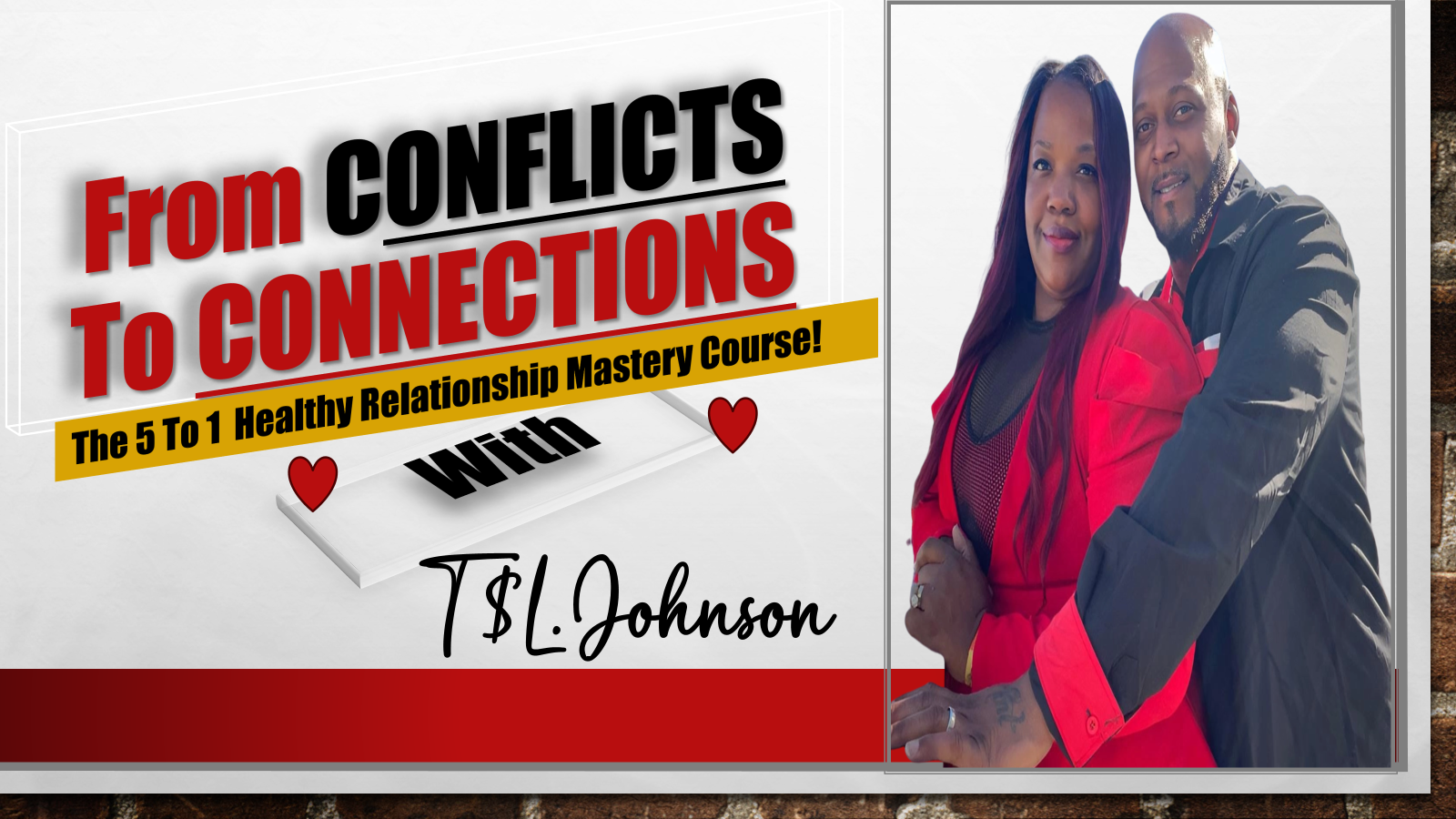
Limited: 🥰Beta Test Our 10-Video Mini Course For Free ” The Full Course Will Soon Be $297 ” 🥰5:1 Conflict2Connection Healthy Relationship Mastery Course Mini Course 🥰
Find Out More Here
Encourage open dialogue
I’ve found that creating an environment where both of us feel safe to speak openly is so vital. It involves setting expectations that we can communicate without judgment. There were instances when I’d hold back certain thoughts out of fear of causing tension, but that only fueled misunderstandings. That’s when I realized that encouraging open dialogue was a two-way street.
Now, I always invite my partner to share their thoughts, whether they’re sweet or sticky. It’s our little agreement that we shouldn’t tiptoe around hard subjects—no topic is off-limits if it helps bring us closer. This proactive approach has invited more depth into our relationship and kept miscommunication at bay.
Encouraging this kind of dialogue might require practice, but soon, it becomes second nature. The beauty of it? We both develop confidence in expressing ourselves, and that leads us to grow together!
Acknowledge differences as strengths
One of the greatest lessons I’ve learned is to embrace our differences as strengths. There were moments I found myself frustrated with how differently my partner processes information, but I’ve since shifted my perspective. Each of these differences brings unique strengths to our conversations—my strengths can complement theirs, creating a richer timeframe for dialogue.
Now, I view disagreements as opportunities for growth. It’s fascinating! Each time we address different viewpoints, I find we both expand our understanding of topics. Suddenly, it’s no longer about “winning” a conversation but rather exploring together. This newfound mentality has been instrumental in breaking the cycle of miscommunication.
By viewing differences as strengths, we foster a dynamic that is respectful and encourages curiosity. This, in turn, leads to a deeper appreciation for our individual perspectives within the relationship. Trust me, this paradigm shift has changed how we communicate profoundly!
Commit to Continuous Improvement
Be open to feedback
Some of the best lessons come from constructive criticism, right? I had to learn early on that being defensive isn’t the way to go. Instead, I now ask for feedback from my partner on how I can improve our communication. It’s a practice that took time to master, but it’s so worth it!
Establishing this kind of openness with my partner has built a layer of trust that enriches our relationship. Feedback can be uncomfortable, and I’ve had my fair share of those awkward conversations, but they’ve sparked real growth for both of us. I’ve discovered that we can discuss what’s working and what’s not in our communication, providing invaluable insights.
User “I appreciate when you…” or “I feel overwhelmed when…” phrases have become life-savers in my relationship! This approach not only invites feedback but transforms our conversations into more collaborative conversations that foster improvement.
Invest in relationship-building activities
Let’s face it: relationships require maintenance. I firmly believe in setting time aside for each other—whether it’s date nights, fun activities, or simply cooking dinner together! These moments create shared experiences that not only strengthen our bond but also give us time to practice better communication.
Our relationship-building activities can be game-changers! I’ve found that stepping away from daily routines to focus completely on each other opens up the space for anticipation and excitement. It’s in these moments that we often talk about our hopes and dreams, what’s been bothering us, or just plain enjoy laughter together. Serious benefits, right?
Along this journey, it’s fascinating to see how our improved connection helps us face challenges more confidently. Each activity brings us closer, reinforcing the foundations of communication and understanding!
Reflect and adapt
Lastly, it’s crucial to take a step back and reflect on how we’re doing in our communication efforts. It’s easy to slip back into old patterns without even realizing it. I’ve started setting aside time, maybe once a month, to reflect on our communication style as a couple. What’s working? What needs improvement?
During these reflections, I often find that prioritizing adaptability is key. It’s all about shifting gears wherever necessary to ensure both of us feel heard and valued. If I notice a recurring issue, I try to figure out what caused it and how we can get better. This proactive approach enables us to stay focused and grow.
Adapting doesn’t mean you have to overhaul everything each time. Instead, it’s about recognizing what feels off and making little tweaks to create a more efficient communication channel. Keeping this ongoing commitment to improvement truly solidifies the strength of our relationship!
FAQ
1. How can I identify the roots of miscommunication in my relationship?
Look back at your personal experiences and how they might influence your responses. Engage in open discussions with your partner about your histories and feelings, creating a space for understanding.
2. What are some tips for practicing active listening?
Put away distractions, maintain eye contact, and respond with affirmations or paraphrasing what your partner says to show you’re engaged. Ask questions to clarify, and ensure they feel heard.
3. How do I communicate my boundaries effectively?
Start by identifying your boundaries clearly. Then, communicate them directly to your partner without hesitation. Encourage discussions to discuss feelings about boundaries and ensure they align with your partner’s perspective.
4. Why is empathy important in a relationship?
Empathy fosters understanding and connection between partners. It allows you to appreciate your partner’s emotions and perspectives, ultimately enhancing trust and reducing misunderstandings.
5. How can I continually improve communication in my relationship?
Stay open to feedback, invest in relationship-building activities, and reflect on your communication dynamics regularly. Adapt and be willing to evolve together for a stronger connection!

Schedule Your First 20-Minute Coaching
Call With Us Today to see if we fit . You pick the price!
Click Here