Active Listening
Understanding vs. Hearing
When I first learned the difference between hearing and understanding, it was like a light bulb going off. Sometimes I’d nod along while my partner was speaking, but in reality, I was just waiting for my turn to talk. Active listening goes far beyond that—it’s about truly absorbing what your partner is saying and responding thoughtfully. To be honest, it takes conscious effort, but the payoff is huge!
What I found really helpful was setting aside my distractions. Whether that means putting my phone down or pausing the TV, dedicating my attention to my partner makes a world of difference. When you show you’re all in, your partner feels valued and heard. Trust me; it strengthens your bond in ways you’ll appreciate.
Along with putting down distractions, I often practice reflecting back what I hear. This means paraphrasing what my partner just said and checking for clarity. Not only does it show that I’m engaged, but it also helps clear up any misunderstandings right away. It’s a little trick that can go a long way.
Open Expression of Feelings
The Power of Vulnerability
Opening up about feelings can be daunting; I totally get that! For me, it took a lot of courage to share my insecurities and fears, but once I did, I noticed how it fostered a safe space for my partner as well. Vulnerability is often seen as weakness, but in a healthy relationship, it’s a strength. It creates depth and intimacy.
I’ve found that setting aside time to talk about feelings helps. It doesn’t have to be some grand declaration, but just a casual sit-down over coffee can transform your conversation. When I frame it as sharing rather than confessing, it feels less intimidating and more like a team effort. Just like building a snowman together, it’s all about layering and growth.
Additionally, I learned to express my feelings using ‘I’ statements instead of ‘you’ accusations. For example, saying, “I feel overwhelmed” rather than “You make me feel overwhelmed” helps prevent defensiveness. Shifting the focus from blame to personal feelings is a game-changer. Trust me, it makes conversations feel so much more collaborative.
Regular Check-Ins
Scheduling Heart-to-Hearts
I can’t stress enough the importance of regular check-ins. Setting aside time each week to talk about our relationship has been a habit that brings us closer. It’s a designated space to discuss anything that’s on our minds—whether it’s about our feelings or just daily frustrations. Think of it as a mini partnership tune-up!
During these check-ins, I’ve learned that expressing gratitude can make a huge difference. I start by highlighting what my partner did great over the past week, showing them that their efforts matter. It’s uplifting and sets a positive tone for the rest of our conversation. Plus, who doesn’t love a little appreciation now and then?
However, it’s equally important to address concerns during these chats. I approach this with love and respect, making it more constructive than confrontational. It has truly helped us work on concerns before they snowball into bigger issues. Keeping the lines open feels like having a safety net, allowing us to speak freely without judgement.
Respecting Boundaries
Understanding Personal Space
Boundaries are crucial, and when I learned to respect them, it revolutionized our relationship. It’s important for each partner to have their space and not feel suffocated. I recognized that sometimes my partner needs time to recharge, and that’s perfectly fine! It’s about understanding that we don’t have to be attached at the hip to be committed.
One way to honor boundaries is by communicating what they are. I opened up about what makes me uncomfortable, and in turn, encouraged my partner to share theirs. Setting these parameters ensures that neither of us feels overwhelmed. Knowing where each other’s boundaries lie builds respect and trust—two essential building blocks of any healthy relationship.
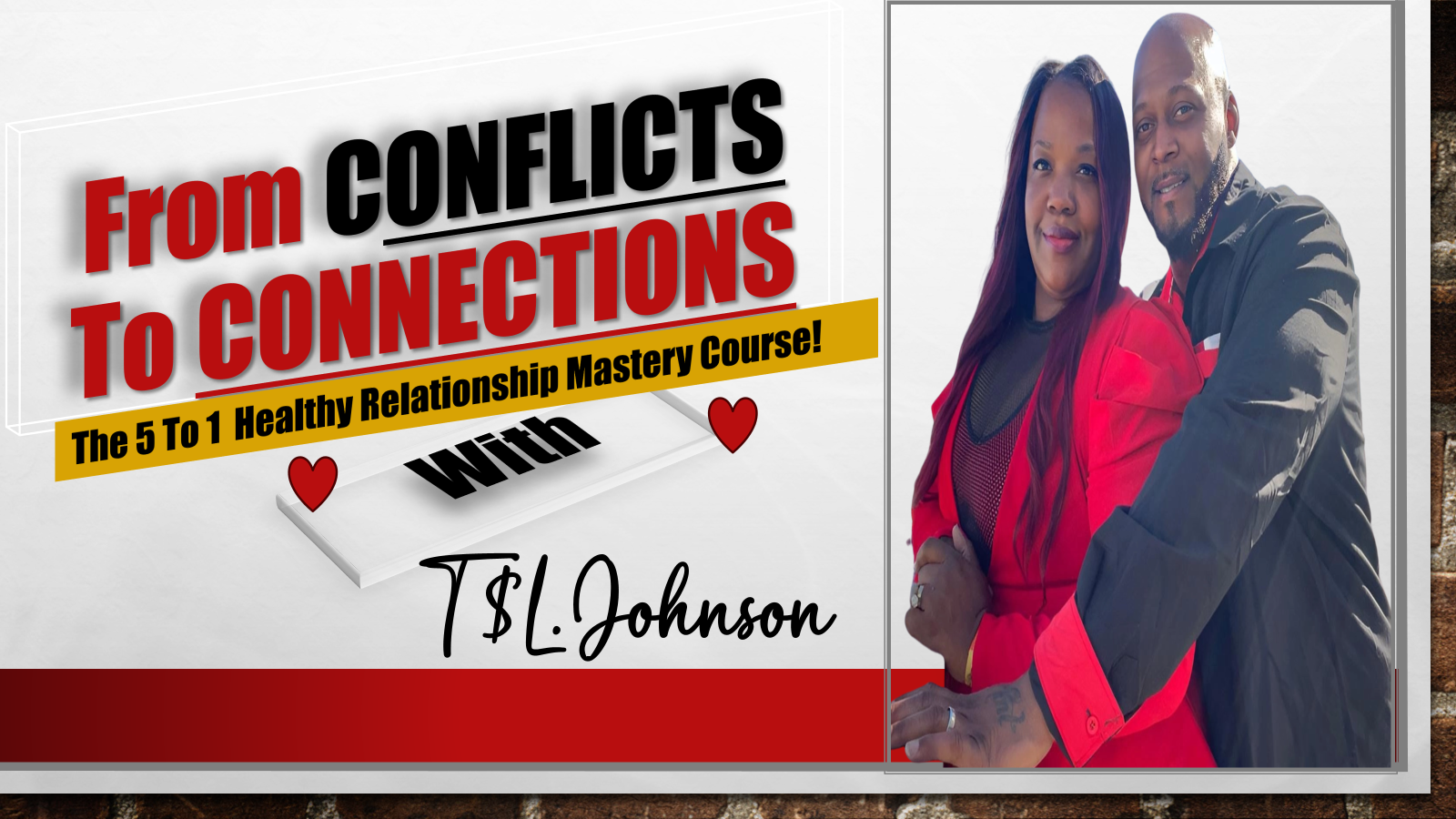
Limited: 🥰Beta Test Our 10-Video Mini Course For Free ” The Full Course Will Soon Be $297 ” 🥰5:1 Conflict2Connection Healthy Relationship Mastery Course Mini Course 🥰
Find Out More Here

Another aspect I’ve found helpful is checking in about boundaries over time. Just because something was okay last month doesn’t mean it is now. Life changes, and so do our needs. By fostering an environment where we can discuss this openly, we’ve managed to maintain a healthy balance, which is often harder than it sounds.
Resolving Conflicts Constructively
Turning Arguments into Conversations
Conflicts are inevitable; I mean, we’re human! But the way we handle them can either tear us apart or bring us closer together. I’ve learned that instead of pointing fingers, it’s so much better to focus on finding a resolution together. Aiming for understanding instead of “winning” the argument is key.
I’ve found that timing is everything. Picking the right moment to discuss an issue can make all the difference. I try not to approach serious subjects when either of us is tired or stressed, as it often leads to misunderstandings. A calm, open mindset sets the stage for a productive discussion.
One valuable technique I use is to take a break if emotions run high. Sometimes walking away for a bit allows us to cool down and come back with a fresh perspective. When we talk again, we’re more likely to listen to each other and find a solution rather than just rehashing the same points over and over. Trust me; it works wonders!
Conclusion
In summary, strong and healthy communication boils down to active listening, expression of feelings, regular check-ins, maintaining boundaries, and resolving conflicts constructively. Each aspect plays a significant role in nurturing a thriving relationship. From my experience, putting these habits into practice not only improves communication but also deepens the emotional connection with my partner.
FAQs
1. What is active listening?
Active listening is a communication technique where you fully engage with the speaker, showing understanding and responding thoughtfully instead of just hearing the words. It helps build a stronger connection.
2. How can I express my feelings effectively?
Use “I” statements to communicate your emotions without sounding accusatory. This shifts the focus to your feelings rather than blaming your partner, making the conversation more constructive.
3. Why are regular check-ins important?
Regular check-ins provide a dedicated time to reflect on the relationship, share feelings, and address any concerns before they escalate, strengthening emotional intimacy between partners.
4. How do I know my partner’s boundaries?
Openly communicate with your partner about what boundaries are important to each of you. It’s about sharing and respecting each other’s needs for personal space and comfort.
5. What should I do if conflicts arise?
Focus on understanding rather than winning. Choose the right moment to talk and be willing to take breaks if emotions run high. This approach encourages a healthier, more constructive resolution.


Schedule Your First 20-Minute Coaching
Call With Us Today to see if we fit . You pick the price!
Click Here