 admin
adminUnderstanding Each Other’s Communication Styles
Recognizing Differences
One of the first things I learned in my marriage is that my partner and I communicate differently. It’s really eye-opening to understand that people have unique ways of expressing themselves. Some folks are direct and to the point, while others prefer a more roundabout way of sharing their feelings. Recognizing these differences allows you to approach conversations with a bit more patience and empathy.
For instance, when my spouse communicates, they may take their time, whereas I like to get straight to the issue at hand. This difference can lead to misunderstandings if I’m not careful. By identifying and respecting each other’s communication styles, we can cater our conversations to be more effective.
In my experience, learning to adapt to each other’s styles has strengthened our relationship. We often catch ourselves adjusting our methods when needed. It’s like a dance; once you find your rhythm, it gets easier to navigate tough discussions.
The Importance of Non-Verbal Cues
I can’t tell you how many times I’ve misread a simple gesture or facial expression! Non-verbal cues can sometimes say so much more than words ever could. A sigh, a rolling of the eyes, or even the way we hold our bodies all communicate something that might not be clear verbally. Being aware of these signals in my marriage has improved our understanding immensely.
A good example is during heated discussions. I’ve noticed that if I lean in and maintain eye contact, it usually conveys my investment in the conversation. Conversely, if I’m crossed-armed or looking away, it may come across as disinterest or defensiveness. Paying attention to these unspoken cues has been a game-changer for us.
Take time to discuss these non-verbal signals. Understanding how you each express yourselves without words can really enhance your emotional connection. It might even open the door to conversations about how these cues can be more effectively used to support each other’s feelings.
Adjusting Your Language
Language matters a lot more than we often realize! The words we choose can either uplift or deflate our partner. For example, I’ve made a conscious effort to choose more positive phrases that convey kindness and compassion. Instead of saying, “You never listen to me,” I’ve switched it to “I feel unheard when…” and let me tell ya, the difference is amazing! It opens up a dialogue rather than shutting it down.
Moreover, being mindful of tone is so crucial. Yelling or using a sarcastic tone can lead to defensiveness and trigger a fight rather than productive communication. I learned that modulating my voice can keep the mood lighter and pave the way for understanding. Trust me, it’s simple yet incredibly impactful.
Lastly, repeating back what my partner has said or asking them to clarify their thoughts shows that I value their perspective. This little trick can help avoid confusion, reinforce understanding, and ensure we’re on the same page.
Creating Safe Spaces for Communication
Choosing the Right Time and Place
There’s a big difference between discussing something important during dinner versus on a walk in a park. Timing and location can make or break a conversation. Early on in my marriage, we learned the hard way that bringing up serious topics when the other person is busy or stressed usually leads to a disaster.
Find a comfortable environment where you both can relax and focus. For us, it’s always been our cozy living room after a long day. Setting a casual tone can create a more inviting atmosphere that encourages open dialogue. It makes a world of difference!
Additionally, being conscious of when might be best to talk can go a long way. If either one of us is feeling overwhelmed or tired, we know to hold off until we are both in a better frame of mind. Respecting these boundaries shows care and consideration for each other’s feelings.
Encouraging Open Dialogue
Every time I encourage my partner to share openly, I find that it fosters trust and closeness. Establishing a norm where both parties feel comfortable discussing their feelings can help tremendously. Creating an environment where neither person is afraid of judgment is crucial.
One way I’ve found effective is to ask open-ended questions. Instead of “Did you like that movie?” I’ll ask, “What did you think about the movie?” This encourages deeper conversations and gives my spouse the chance to express all their thoughts and feelings.
Above all, listening without interruption is key. Sometimes, I catch myself ready to jump in instead of letting my partner finish their thought. Taking a step back during conversations really amplifies the trust and openness, making both of us feel valued.
Practicing Empathy
Empathy isn’t just a buzzword; it’s a vital ingredient for a healthy relationship. When I practice empathy, I’m opening the door to understanding my partner’s feelings on a much deeper level. I remind myself to put myself in their shoes and see things from their perspective.
A powerful exercise we often do is reflect on what’s bothering the other person. I ask them how that situation feels to them and try to connect with their emotions. This simple practice helps to bridge gaps in understanding and communication.
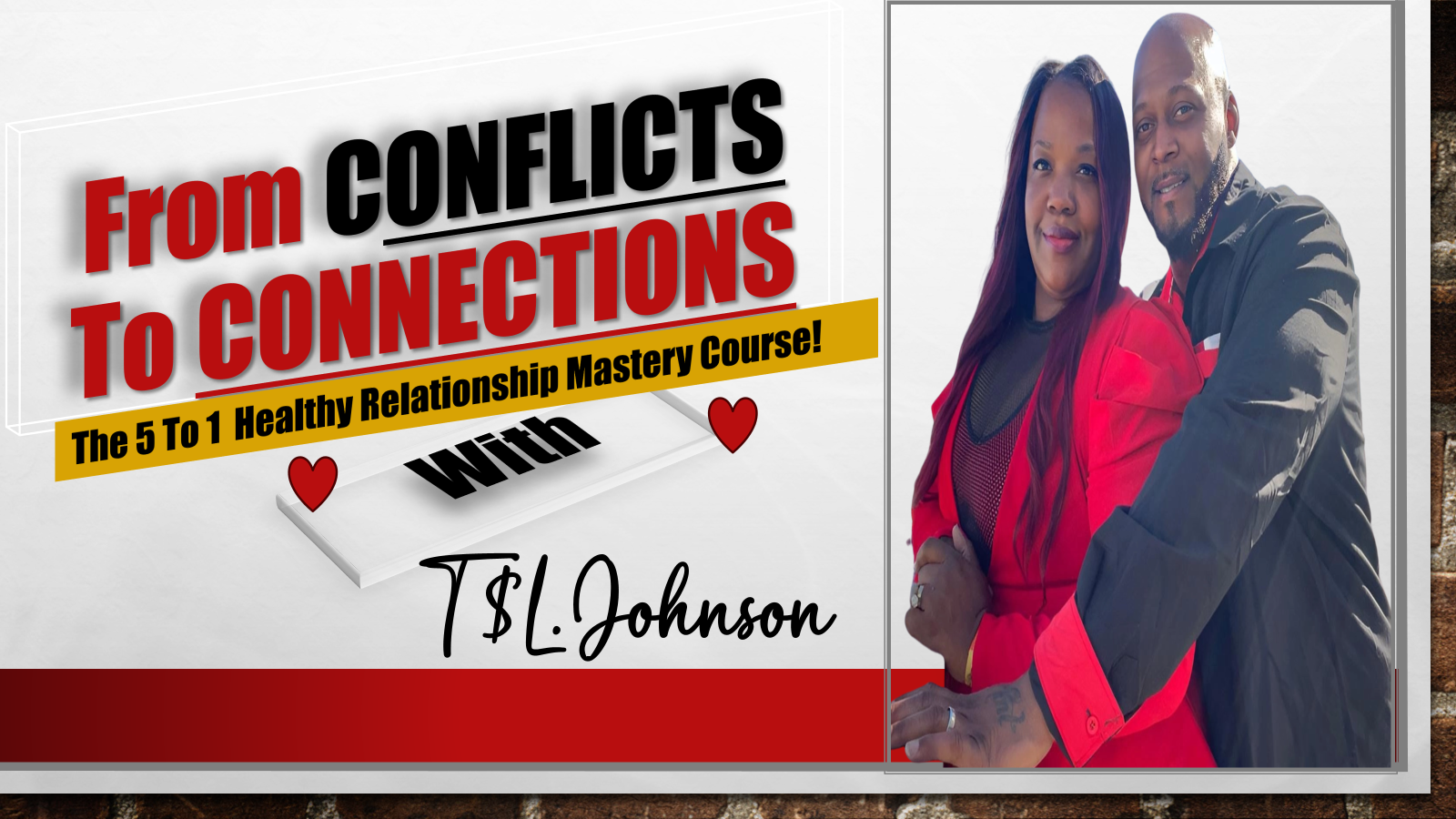
Limited: 🥰Beta Test Our 10-Video Mini Course For Free ” The Full Course Will Soon Be $297 ” 🥰5:1 Conflict2Connection Healthy Relationship Mastery Course Mini Course 🥰
Find Out More Here
Finally, never underestimate the power of validation. When my spouse shares a concern, I ensure that I acknowledge their feelings and let them know it’s okay to feel that way. Building that emotional safety makes it easier for both of us to tackle issues head-on.
Listening Actively
Giving Full Attention
Active listening is absolutely crucial in any marriage. I can’t stress enough how important it is to put down distractions—like our phones or the TV—when engaging in a serious conversation. If my partner is talking, giving them my undivided attention really shows I care.
Sometimes, I notice that even if I’m listening, I’m also mentally preparing my response instead of being present. When I actively work on being engaged, I pick up on nuances in their voice that really matter. It fosters an environment where both parties feel heard and validated.
Taking notes or repeating back what I heard can sometimes help clarify any misunderstandings. Just the act of nodding and maintaining eye contact shows I’m in the moment and truly listening to what they’re sharing.
Responding Thoughtfully
Once my partner has expressed their thoughts, responding thoughtfully is key. A knee-jerk reaction can lead to unnecessary arguments, so I try to take a moment before responding to ensure my words align with what I really want to convey. This is where the idea of ‘think before you speak’ comes in handy.
It’s also super helpful to reiterate or paraphrase what my spouse said, showing that I really grasped their point of view. For example, I might say, “What you’re saying is that you feel overwhelmed with work lately, and that’s causing tension at home?” This guarantees that we’re on the same wavelength and opens up further dialogue.
By validating their emotions before sharing my viewpoint, it creates an atmosphere of mutual respect and understanding. It’s like building a bridge rather than creating walls!
Encouraging Solutions Together
Instead of jumping straight to solutions, I’ve learned to work collaboratively with my partner to find a way forward. It transforms problem-solving into a team effort, rather than a blame game. I’ve found that asking questions like, “What do you think we can do about this?” sparks creative solutions and reinforces our partnership.
This collaborative approach not only helps in resolving issues but also strengthens our bond. It feels great to tackle something together rather than feel isolated in our struggles. Every little win adds up, and celebrating those moments together further enriches our connection.
Encouraging open discussions about solutions fosters a sense of unity, reminding us that we’re in this together. It’s about building a shared vision for our future rather than working against one another.
Conclusion
At the end of the day, avoiding common communication pitfalls in marriage boils down to understanding, empathy, active listening, and teamwork. We’re all a work in progress, and being willing to learn and adapt can make all the difference. Embracing these practices has genuinely transformed my relationship, and I hope they do the same for you!
FAQ
What are common communication pitfalls in marriage?
Common pitfalls include not recognizing each other’s communication styles, becoming defensive, not listening actively, and using harsh language.
How can we create a safe space for conversations?
Choose the right time and place, encourage open dialogue, and make sure both partners feel respected and valued during conversations.
Why is empathy important in communication?
Empathy allows partners to understand each other’s feelings and perspectives, which helps create a deeper emotional connection.
What is active listening, and why does it matter?
Active listening involves fully concentrating on what the partner says without distractions. It shows respect and validates the other person’s feelings.
How can we work together to find solutions to problems?
By involving both partners in the solution-finding process, you strengthen teamwork, enhance communication, and create a shared vision for resolving issues.

Schedule Your First 20-Minute Coaching
Call With Us Today to see if we fit . You pick the price!
Click Here

