1. The Importance of Open Dialogue
Creating a Safe Space
First off, let’s talk about the importance of open dialogue in any relationship. It’s like the foundation of a house – everything else hangs off of it! In my experience, the first step to better communication is creating a safe space where both partners can express their feelings without fear of judgment.
When I make it clear that I’m here to listen, it opens the doors for genuine conversation. If I feel that my partner can speak up without worrying about a blow-up, we both come away feeling closer.
Invite your partner to share anything. Even if the topics are tough, that open door really encourages both of you to be yourselves and keep the spark alive.
Consistency is Key
Consistency is everything in communication. Believe me, I’ve learned this the hard way. If I make an effort to check in with my partner regularly and ask them about their day, those little moments build up to a bigger sense of connection.
Don’t just wait for a big issue to arise; instead, build that consistent dialogue into your daily routine. Whether it’s over morning coffee or during a late-night snack, I find these regular chats make a world of difference.
Remember, it’s the small things that add up. Regularly checking in reinforces that you care, and it shows that you value your partner’s thoughts and feelings.
Active Listening
Active listening is a game-changer! I used to think listening was just about staying quiet while the other person talked, but boy was I wrong! True listening means engaging and showing that I actually care about what my partner is saying.
When my partner talks, I try to repeat back some of what I’ve heard. It’s like saying, “Hey, I’m with you on this,” which makes them feel heard. Ask questions! Dive deeper into what they’re sharing.
This not only opens up the conversation but also helps me understand where they’re coming from. I promise that when both partners engage actively, the connection grows stronger.
2. Non-Verbal Communication Matters
Body Language Counts
Let’s delve into non-verbal communication. Honestly, I used to underestimate how much body language impacts the conversation. It’s not just about words; every facial expression and gesture says something.
If I’m on my phone while my partner is sharing something important, I might as well be waving a giant red flag that says I’m not interested! Maintaining eye contact and leaning in shows I’m fully present.
Trust me, when I switch off distractions and engage with my body language, it transforms the conversation into a much more meaningful experience for both of us.
Tone of Voice
Have you ever noticed how a simple phrase can mean two different things based on tone? My friend once said, “Fine!” and I knew I was in trouble. The tone can convey sarcasm or affection, changing the whole vibe of the message.
When we communicate, I try to be mindful of my tone. Keeping it warm and inviting goes a long way. Sometimes, I don’t want my partner to hear that I’m frustrated, so I work on softening my voice, especially during tough talks.
Finding the right tone can bridge those communication gaps and keep the connection intact. It makes a difference, believe me!
Physical Touch
Physical touch can be incredibly powerful. A simple touch, hug, or holding hands while talking elevates the connection. I’ve noticed that when my partner and I engage through touch, it adds warmth and reassurance to our discussion.
There’s something about that physical connection that brings a level of intimacy and understanding to our conversation. Even just a reassuring squeeze of the hand can communicate, “I’m here for you.”
So, don’t underestimate the magic of physical connection in your talks. It can really transform mundane discussions into deeper, more heartfelt exchanges.
3. Expressing Vulnerability
Sharing Feelings
Being vulnerable is intimidating, no doubt. I get it. But when I share my feelings and fears with my partner, it creates a safe environment for them to do the same. It’s all about showing that we’re both human, with flaws and uncertainties.
I’ve found that articulating what makes me anxious really fosters compassion and understanding. It’s crazy how simply admitting I’m scared or frustrated opens new avenues for both of us.
When both partners practice vulnerability, it leads to deeper emotional intimacy. All those walls start to break down and make room for trust and connection.
Admitting Mistakes
Let’s face it: no one’s perfect. Admitting when I’m wrong can be so challenging, but I’ve learned it’s crucial for any relationship. When I can say, “I messed up,” it takes some pressure off and encourages my partner to do the same.
When I admit to my partner that I’ve made a mistake, it often leads to resolution. We both start working together to address the issues, instead of letting them fester.
Owning my part in misunderstandings reduces resentment and builds a bridge back to connection. It’s definitely not the easiest step, but it’s worth it.
Asking for Support
Sometimes, just asking for my partner’s support can feel huge. I used to think I had to handle everything alone, but now I recognize that it’s okay to lean on each other. When I ask for help whether it’s with a task or emotional support, it invites collaboration.
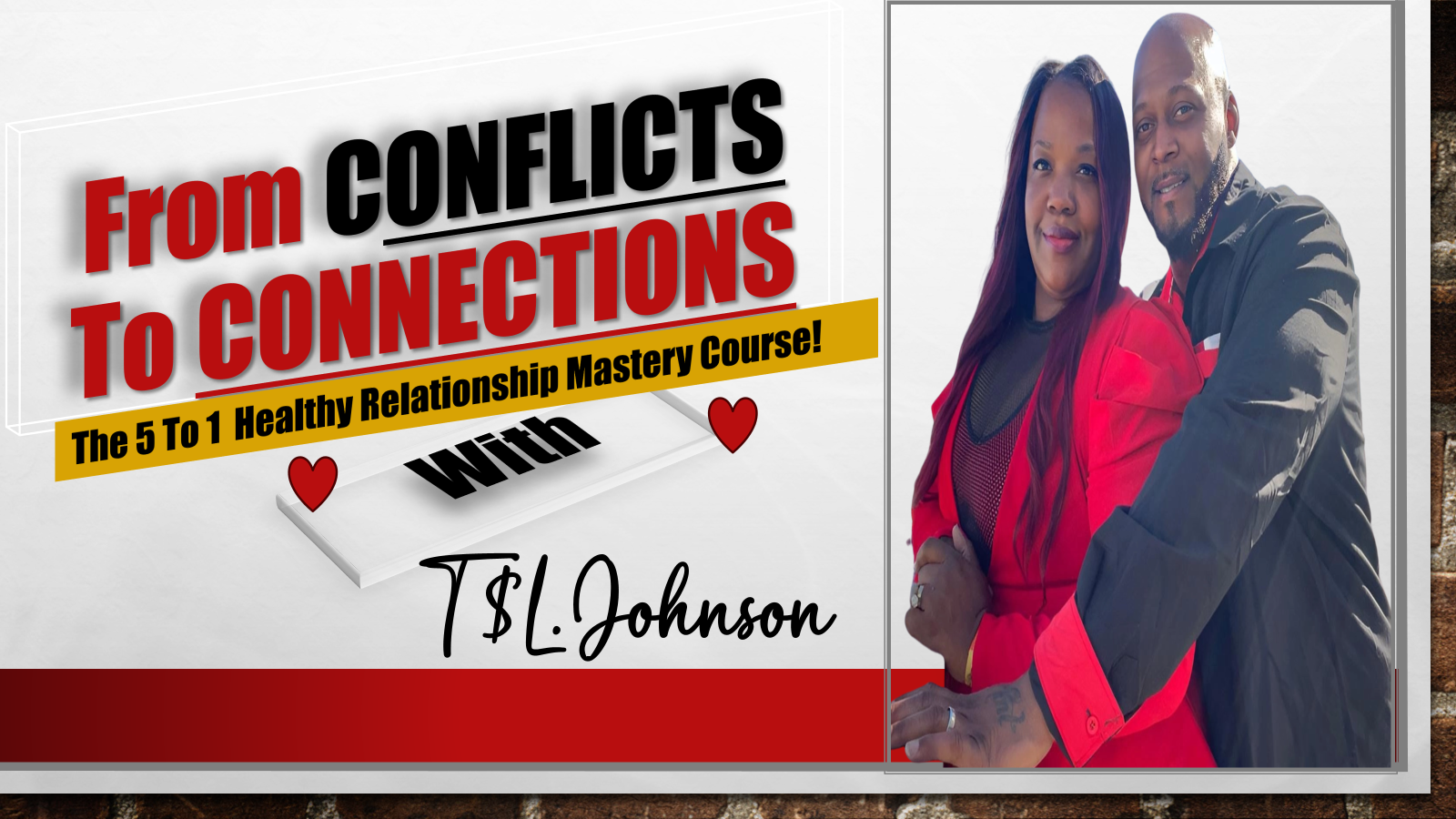
Limited: 🥰Beta Test Our 10-Video Mini Course For Free ” The Full Course Will Soon Be $297 ” 🥰5:1 Conflict2Connection Healthy Relationship Mastery Course Mini Course 🥰
Find Out More Here

I’ve noticed that when I openly seek my partner’s help, it shows them that I trust them, and it strengthens our bond. Plus, they feel more integrated into my life, which keeps that spark alive.
Sincerely asking for support opens up an entirely new avenue for communication. It shifts the perspective from isolation to teamwork.
4. Setting Boundaries
Understanding Each Other’s Limits
Let’s be real – boundaries are essential. Establishing them creates a clear understanding of what’s needed for both partners in the relationship. I always try to express my limits clearly; it’s not about shutting down the conversation, but about ensuring we respect each other.
Talking openly about boundaries often fosters respect. I’ve found that when we take the time to discuss what bothers us, it shows that we’re invested in each other’s happiness.
Make sure to check in frequently! Boundaries can evolve, and it’s vital to remain open to changes as we both grow.
Respecting Differences
Every relationship is unique, and respecting those differences is key. I’ve learned that what works for one partner might not work for the other. Understanding that we have different perspectives and preferences builds a great foundation for communication.
By honoring those differences, I can avoid unnecessary conflicts. It’s essential to recognize that it’s okay for us to have our own views while still working towards common ground.
Treating our differences as opportunities for growth, rather than stumbling blocks, strengthens our communication and relationship.
Recognizing When to Step Back
Sometimes, the best thing to do is to take a step back. If a conversation starts to get heated, I’ve learned it’s okay to take a break and revisit the topic later. It’s not about avoiding the issue; instead, it’s about approaching it with a clearer head.
Recognizing the point at which one or both of us need to recoup our thoughts is crucial. This not only preserves our emotional safety but also helps us avoid saying things we might regret later.
Taking that time apart often leads to deeper, more meaningful conversations when we reconnect. Dropping that expectation of resolution right away can make all the difference.
5. Continuous Improvement
Reflecting on Progress
Communication is a journey, not a destination! I make it a habit to reflect on our conversations to see what’s working and what could be improved. By doing this, I can adjust my approach and my partner can too!
These reflections often lead to invaluable insights about how we can support each other better. Keeping a journal or even just chatting about our communication can enhance the relationship.
Celebrating our progress along the way also encourages us to keep moving forward together. It’s a great reminder of how far we’ve come!
Seeking External Help
Sometimes, we all hit those tough patches where talking things out just doesn’t seem to work. In those moments, seeking help from a professional can be a game-changer. I’ve done this personally, and it opened up new pathways for understanding.
Therapists or counselors can offer tools and strategies that can make communication far more effective. They help couples navigate tough times while enhancing their overall relationship communication.
Don’t hesitate to invest in your relationship by considering outside support when you need it. It’s truly a sign of strength and commitment!
Embracing Change
Lastly, embracing change is vital. As life evolves, so too should our communication. I’ve recognized that everything from life stages to external circumstances can impact how we talk to each other. Being open to those changes is necessary.
Public events, new responsibilities, or even personal growth can shift our perspectives. I’ve found that having regular check-ins about how we communicate allows us to adapt gracefully.
Embracing this fluidity keeps the connection vibrant and resilient as we continue our journey together. Change can be scary, but it can also be invigorating if we navigate it together.
Frequently Asked Questions
1. Why is open dialogue crucial for relationships?
Open dialogue builds trust and encourages understanding between partners. It provides a safe space for both individuals to share their feelings and concerns, which strengthens the bond.
2. How do I practice active listening?
Active listening involves fully focusing on what your partner is saying, repeating back what you hear, and asking questions. This not only shows that you are engaged but also demonstrates respect for their thoughts and feelings.
3. What is the significance of setting boundaries?
Setting boundaries ensures that both partners understand each other’s limits and requirements in the relationship. It fosters respect and helps in maintaining a healthy dynamic.
4. When should I consider seeking external help for communication issues?
If you find that conversations consistently lead to conflict without resolution or if both partners feel stuck in their discussions, it may be beneficial to seek help from a therapist or counselor.
5. How can I ensure continuous improvement in communication?
Reflecting on conversations and recognizing both progress and areas for improvement are key aspects. Regular check-ins and being open to change also contribute to enhancing communication over time.


Schedule Your First 20-Minute Coaching
Call With Us Today to see if we fit . You pick the price!
Click Here