Pause and Breathe
Finding Your Center
In the heat of the moment, tempers can flare and emotions can run wild. I’ve found that taking a moment to pause and breathe deeply can make a world of difference. It gives me a second to reconnect with myself and helps me avoid saying something I might regret later. I usually take a deep breath in, hold it for a few seconds, then exhale slowly. Just that simple act can ground me and bring clarity.
When I’m focused on my breathing, it’s easier to take a step back from the situation. It also helps in lowering the adrenaline rush, keeping my body from slipping into fight or flight mode. This isn’t about turning away from the conversation; it’s about being more present in it. Who knew that a little breathing exercise could be such a powerful tool?
So, if you ever find yourself in a heated debate, just pause. I swear, you’ll be amazed at what a little breath can do. It’s like hitting the reset button on your emotions. Once I’m calm, I can respond thoughtfully instead of reactively, which is exactly what we want in effective communication.
Listen Actively
Putting Yourself in Their Shoes
Active listening isn’t just about hearing words; it’s about truly understanding where the other person is coming from. I’ve learned that when I genuinely focus on the speaker, it creates a more open and safe environment for dialogue. I make a conscious effort to eliminate distractions—like putting my phone away—and just listen. It requires a bit of practice, but trust me, it pays off.
One technique I often use is to repeat back what I’ve heard, often saying something like, “So, what you’re saying is…” This not only shows that I’m engaged but also gives the other person a chance to clarify if needed. It’s amazing how much this simple act can defuse tension. The act of reflecting their feelings helps validate their experiences, making them feel heard and understood.
Listening actively can sometimes lead to surprising revelations for both parties. Often, by just focusing on their perspective instead of my own response, I gain insights into the other person’s feelings, which can redirect the argument into a more constructive discussion. It’s a win-win, really!
Express Yourself Calmly
Choosing Your Words Wisely
When I feel it’s my turn to speak, I try to keep my words calm and deliberate. It’s so easy to fall into that trap of arguing for the sake of argument, and I’ve found that using “I” statements really helps steer the conversation in a healthier direction. Instead of saying, “You never listen to me,” I say, “I feel unheard in discussions.” This subtle shift in language makes a huge difference in how my message is received.
Also, I’ve learned that the tone of my voice can either escalate or de-escalate a situation. Speaking softly and maintaining an even tone can almost magically create a more peaceful atmosphere. I often remind myself that I can express my feelings without turning up the volume. It’s all about creating a vibe that is conducive to resolution rather than conflict.
An important part of expressing myself is being clear about my feelings without going on the attack. I focus on specific examples instead of generalizations. This way, I’m addressing the issue without making the other person feel cornered. When I approach things this way, it becomes less about winning an argument and more about finding a solution together.
Seek Common Ground
Finding Mutual Interests
One of the most powerful tools I’ve discovered is the value of seeking common ground. Sure, we might not see eye to eye on everything, but focusing on shared interests can pave the way for dialogue. I make a point to highlight those areas where we agree before diving into the contentious issues. It’s like pointing out that we’re both on the same team, which helps ease tensions.
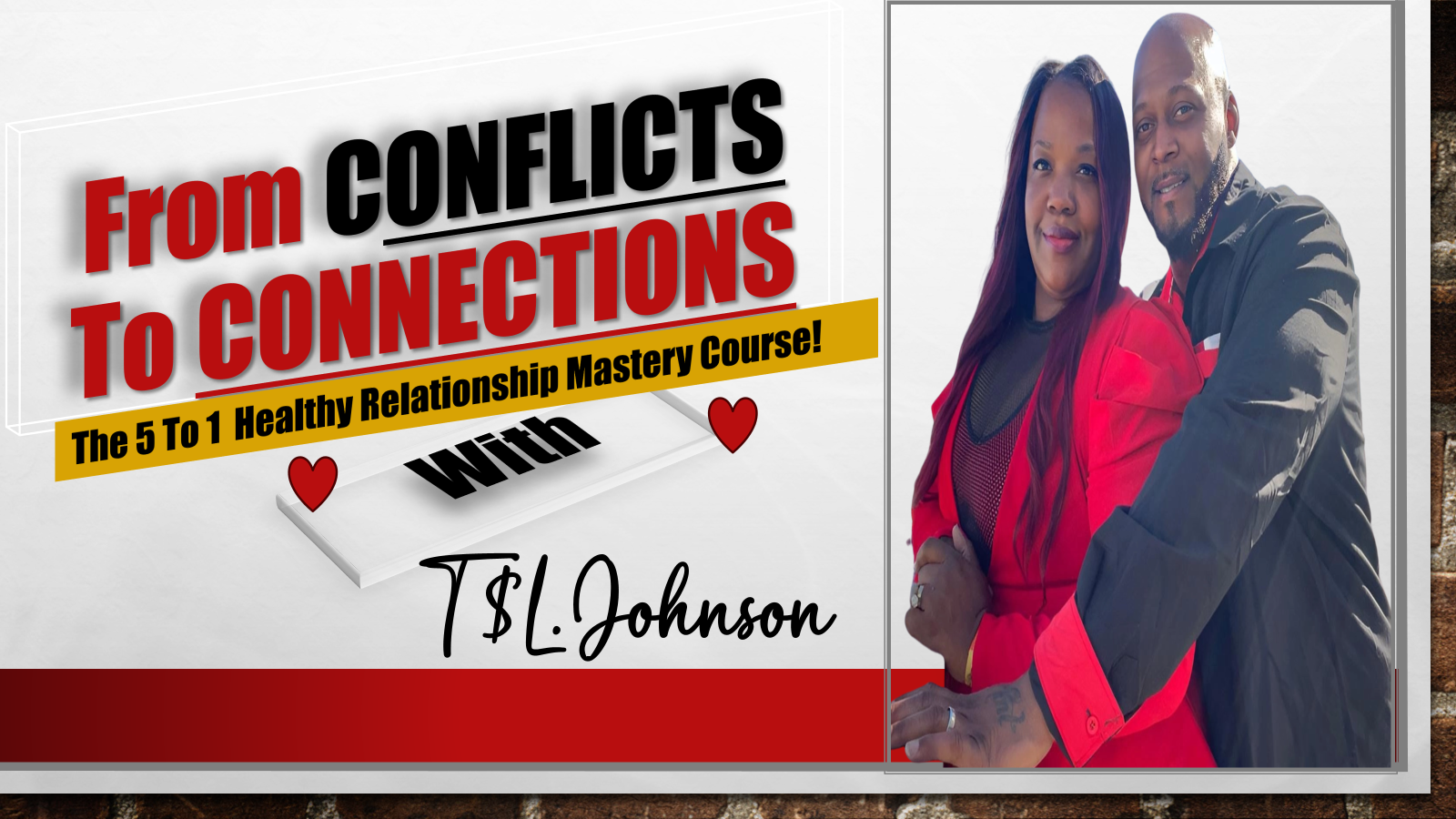
Limited: 🥰Beta Test Our 10-Video Mini Course For Free ” The Full Course Will Soon Be $297 ” 🥰5:1 Conflict2Connection Healthy Relationship Mastery Course Mini Course 🥰
Find Out More Here

Finding mutual interests isn’t always smooth sailing; it takes patience and a willingness to compromise. I’ve often found that moving the spotlight from our differences to our similarities opens up a better channel for discussing solutions. For instance, if both parties are invested in a relationship being healthy, that shared goal can motivate a constructive conversation rather than a combative one.
This approach also shows that, despite disagreements, I respect the other person’s position. It’s about cultivating a mindset that aligns us as collaborators rather than adversaries. Making an effort to find common ground reminds us that at the end of the day, we’re all human, and we want the same things—to be heard, understood, and respected.
Know When to Take a Break
Recognizing Exhaustion
Sometimes, after all the deep breathing and listening, I’ve learned that it’s crucial to recognize when the fight has drained both of us. Arguments can get heated, and if we’ve both reached a point of exhaustion, continuing the discussion won’t yield fruitful results. A timeout can be incredibly beneficial in these situations. I’ve personally found that stepping away for a bit gives both of us the chance to cool off and gather our thoughts.
During these breaks, I try to engage in something that rejuvenates me, be it going for a walk, practicing a hobby, or just resetting with some solitude. It’s vital to come back to the conversation with a refreshed mind and heart rather than dragging in the residual agitations. I often set a specific time to reconvene, which removes any uncertainty about the conversation being “over.”
A good break often reveals new perspectives too. Upon returning, I find that sometimes I’m more open to compromise than when things were tense. Allowing for that bit of distance not only helps cool tempers but also gives us space to reflect on what truly matters. This has been a game-changer in my personal relationships.
Frequently Asked Questions
1. Why is pausing important during an argument?
Pausing allows you to collect your thoughts and calm your emotions before responding, preventing you from saying something hurtful or escalating the situation further.
2. How can I improve my active listening skills?
Practice being fully present—eliminate distractions, maintain eye contact, and show genuine interest in the other person’s words to enhance your listening skills.
3. What are “I” statements, and why are they effective?
“I” statements help convey how you feel without blaming the other person. They focus on your emotions, which helps prevent defensiveness from the other party.
4. How do I know when to take a break during an argument?
If you notice that both you and the other person are becoming increasingly emotional, defensive, or frustrated, it might be time to step away and take a breather to gain clarity.
5. How can seeking common ground help in resolving arguments?
Finding common ground reinforces the connection between you and the other person, shifting focus from disagreements to mutual interests, which can facilitate a constructive resolution.


Schedule Your First 20-Minute Coaching
Call With Us Today to see if we fit . You pick the price!
Click Here