Understanding Body Language
Recognizing Your Partner’s Signals
So, have you ever thought about how much we communicate without even saying a word? I’ve noticed that sometimes the expression on my partner’s face says more than their mouth ever could. Watching for those subtle cues—like a gentle smile when I walk in or a furrowed brow during a tough conversation—can provide incredible insights into their feelings. It’s like a little code waiting to be cracked!
When I’m trying to gauge how my partner feels about something, I pay close attention to their posture too. Are they leaning in, eager to engage, or leaning back, maybe feeling closed off? It’s all about these tiny adjustments that can convey so much. Once I started really tuning into these nonverbal signals, I felt so much closer and more connected.
Of course, this goes both ways. I’ve made a conscious effort to be aware of my own body language, too. If I’m preoccupied with my phone or crossing my arms, that might send some unfortunate vibes. It’s kind of an unspoken agreement. I speak, and my body needs to back me up!
Creating a Comfortable Environment
Setting the Mood for Open Communication
The environment can make a huge difference in how we communicate. I’ve found that during tough talks, meeting in a cozy café or even snuggling up on the couch makes it easier for both of us to share. We’re not just tackling the topic; we’re creating a safe little bubble where vulnerability is welcomed. Dim lights and soft music really can change the game!
It’s also important to think about distractions. There have been times when my partner and I tried to have deep conversations while the TV blared in the background or one of us was checking our phones. Talk about a nonverbal message that says, “I’d rather be somewhere else.” I make it a point to switch off distractions, giving our dialogue the focus it deserves.
Finally, cozy blankets or cups of warm tea might seem trivial, but they add to that comfy feel. When I bring out those elements, it’s like saying to my partner, “Hey, I’m right here with you.” Creating this comforting environment paves the way for those nonverbal cues to flow freely.
Practicing Active Listening
Engagement Beyond Words
Active listening plays a huge role in enhancing nonverbal communication. I’ve made it a habit to not just hear what my partner says, but also to fully engage with them. Nodding my head, maintaining eye contact, and even mirroring their expressions lets them know I’m in this with them, fully present.
When I really listen, it shifts the energy in the room; it becomes a two-way street. Sometimes, the conversation flows so naturally that it feels like a dance where we both mirror each other’s emotions and expressions without even realizing it. Being genuinely curious and asking follow-up questions shows my partner that I care about their perspective.
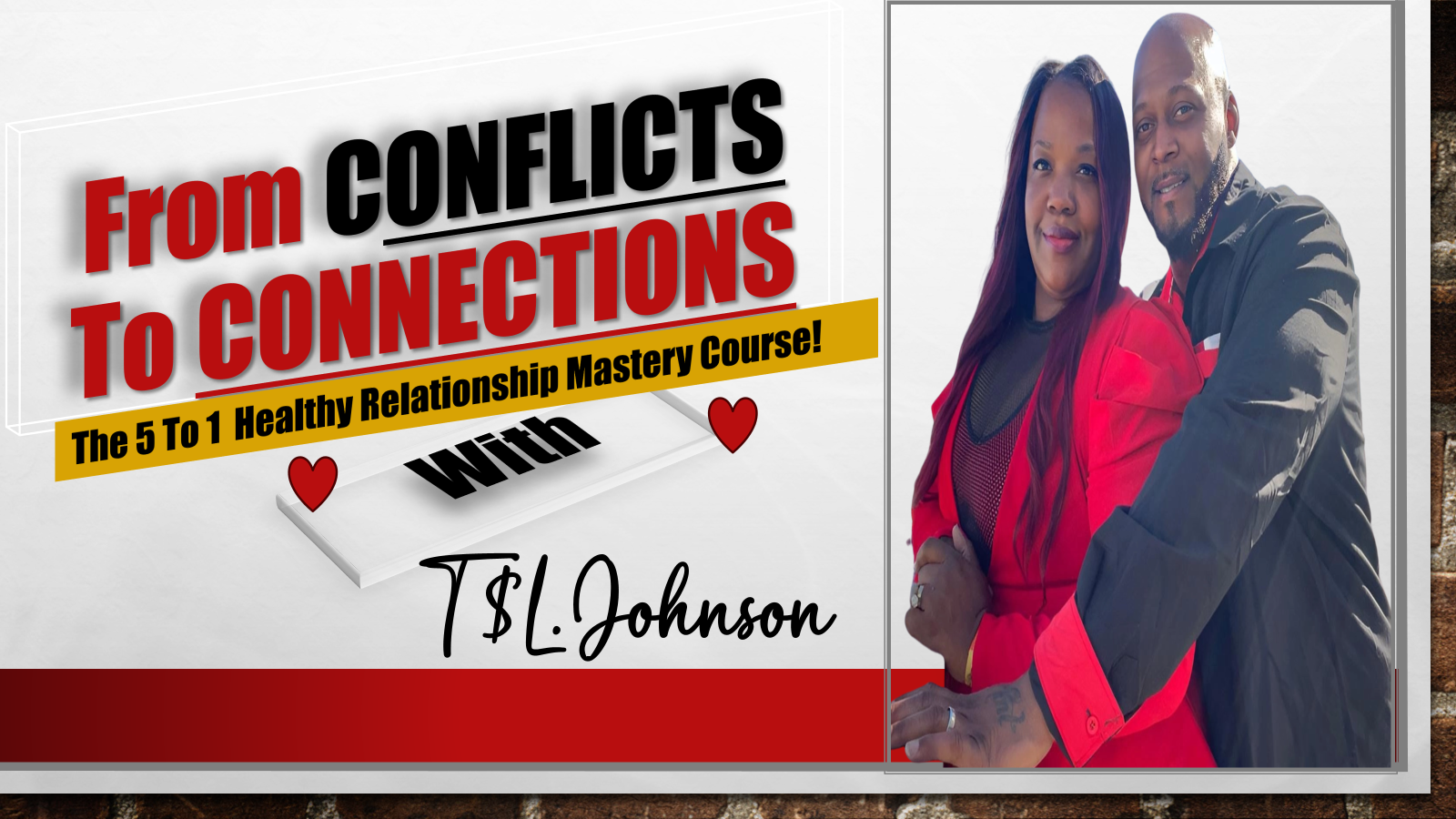
Limited: 🥰Beta Test Our 10-Video Mini Course For Free ” The Full Course Will Soon Be $297 ” 🥰5:1 Conflict2Connection Healthy Relationship Mastery Course Mini Course 🥰
Find Out More Here

This kind of listening also means resisting the urge to interrupt or think about my response while they’re speaking. I’ve learned that when I do that, I’m missing out on vital nonverbal cues that can reveal more than the words. By showing that I’m really listening, we build a bridge of trust, which is key in any relationship.
Using Touch Wisely
The Power of Physical Connection
Touch is so powerful in communicating feelings that words can’t always capture. I’ve found that a loving touch, like holding hands or a gentle hug, can speak volumes in moments of stress or joy. There’s something about skin-to-skin contact that releases all those feel-good hormones. It’s comforting!
However, it’s crucial to be aware of each other’s preferences. Some people love touch, while others might find it overwhelming. I’ve had to navigate that balance with my partner. There were times when I reached out for a hug and got a stiff response, but through open discussions, we learned what worked best for both of us.
In our relationship, we’ve embraced different forms of touch—sometimes it’s playful nudges when joking around, and sometimes it’s a firm hand on the shoulder during serious talks. It’s all about finding what expresses affection and support while being sensitive to one another’s comfort levels.
Expressing Emotion Nonverbally
Using Facial Expressions Effectively
Our faces are like the billboards of our feelings. A simple raised eyebrow or a twinkle in the eye can convey laughter or intrigue without saying a word. I’ve noticed that when I’m genuinely engaged or excited about something, those expressions naturally pour out. They often draw my partner in and encourage them to share their feelings too.
At times, I’ve also had to check my own facial expressions. There were moments when I didn’t even realize I was frowning or looking stressed, while my partner was trying to have a light-hearted conversation. I’ve started practicing being more conscious of my expressions because they can really influence the mood. Realizing this has helped me create a more inviting space for open dialogue.
And yes, let’s be real—it’s not always easy to be emotionally available, especially on rough days. But I’ve found that letting my partner see my vulnerabilities—like maybe clenching my jaw during a tough moment—allowed them to understand my feelings on a deeper level. Expressing emotions nonverbally shows our shared humanity, and that connection is priceless.
Conclusion
Improving nonverbal communication in our relationships takes effort and a genuine desire to connect with one another. By becoming more aware of body language, creating comfortable environments, practicing active listening, understanding the power of touch, and expressing emotions effectively, we can foster deeper connections and enhance our understanding of each other.
FAQ
- 1. What is nonverbal communication?
- Nonverbal communication includes all the ways we communicate without words, such as body language, facial expressions, and touch. It plays a critical role in how we express our emotions and connect with others.
- 2. How can body language affect relationships?
- Body language can significantly influence how messages are perceived. Positive body language can foster closeness and understanding, while negative body language, like crossed arms, can create barriers in communication.
- 3. Why is active listening important?
- Active listening shows that you value your partner’s thoughts and feelings, strengthening your relationship. It encourages open dialogue and makes your partner feel heard and understood.
- 4. How can I create a comfortable environment for conversation?
- Creating a comfortable environment involves minimizing distractions, using soft lighting, and finding a space where both partners feel at ease to discuss sensitive topics openly.
- 5. What types of touch can enhance communication?
- Types of touch, such as holding hands, hugging, or gentle touches on the arm, can enhance feelings of warmth, safety, and connection. It’s essential to consider both partners’ comfort levels in this regard.

Schedule Your First 20-Minute Coaching
Call With Us Today to see if we fit . You pick the price!
Click Here