 admin
adminUnderstanding the Importance of Listening
Building Trust Through Open Communication
When it comes to relationships, trust is everything. From my personal experience, I’ve found that one of the best ways to foster trust is through effective listening. When your partner feels heard, it creates a safe environment where they can share their thoughts and feelings without fear. It’s all about making them aware that you’re present and genuinely interested in what they have to say.
Think about it: how often have you felt shut out or neglected when someone wasn’t really listening? That feeling can drive a wedge between partners. So, when I make it a point to listen actively, it’s like a breath of fresh air for both of us. It opens up new avenues of understanding and connection.
Listening isn’t just about hearing words. It’s about interpreting the feelings behind those words, and this is where magic happens in a relationship. You start to build a foundation of trust that can weather even the stormiest of times.
Establishing Connection Through Empathy
Empathy has played a huge role in how I connect with my partner. It’s one thing to hear what they say; it’s another to feel what they’re feeling. When I put myself in their shoes, I show them that their emotions matter. This connection deepens our bond and provides a rich fabric for our shared experiences.
For instance, if my partner shares a tough day at work, instead of jumping straight into problem-solving mode, I’ll often take a moment to acknowledge how that might feel for them. That compassionate listening creates a space where they feel seen and understood, diminishing the urge to retreat inward.
Moreover, empathy also enhances the quality of our communication. It invites a level of openness that transforms our discussions from mere exchanges into meaningful conversations. We become a team, navigating the ups and downs of life together.
Improving Conflict Resolution Through Active Listening
Now, let’s be real; every couple has their disagreements. But I’ve realized that how we handle these conflicts matters more than the conflict itself. Active listening can often be the key to resolving issues before they escalate. I focus on listening to understand, rather than rebutting or defending myself. It’s so easy to get caught up in our own perspective!
One trick I use during disagreements is to mirror back what my partner says. By paraphrasing their feelings, I show that I am engaged and valuing their viewpoint. It helps diffuse tensions and opens space for constructive dialogue.
But it’s not just about repeating back; it’s also crucial to validate their thoughts. Saying something like, “I can see why you’d feel that way,” goes a long way in making them feel respected, even when we might not completely agree. That respect will allow us both to come to a consensus more easily.
Creating a Safe Environment to Share
Encouraging Openness and Honesty
Creating a safe space for open dialogue is essential in any relationship. I’ve learned that when my partner feels it’s okay to share their thoughts without judgment, our communication blossoms. My home is a judgment-free zone, where vulnerability is greeted with warmth.
I encourage my partner to share even the hard stuff. Whether it’s dreams, fears, or irritations, I have made it a point to emphasize that all feelings are valid in our space. When they sense that they can express themselves without repercussion, it sparks deeper conversations and intimacy.
This openness nurtures connectivity. It’s like a trust fall, but instead of catching them physically, I’m catching them metaphorically with my attentive listening and understanding. That’s when the real magic happens in our relationship.
Utilizing Non-Verbal Cues Effectively
Body language plays a huge role in communication, and I’ve learned to pay attention to it. When I’m listening, I make an effort to maintain eye contact, nod, and lean slightly forward as signs of my engagement. This non-verbal communication reassures my partner that I’m there for them, fully tuned in.
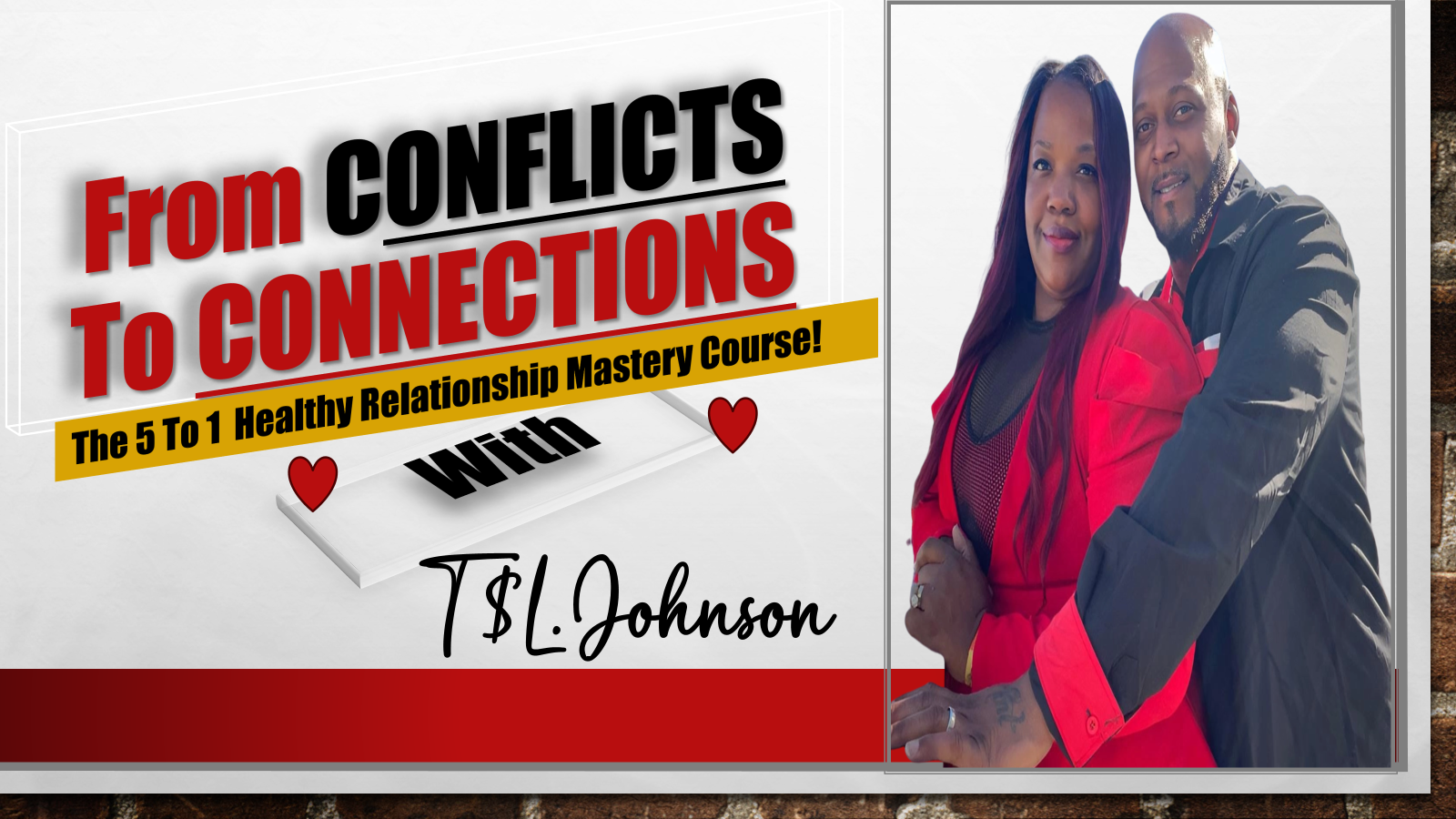
Limited: 🥰Beta Test Our 10-Video Mini Course For Free ” The Full Course Will Soon Be $297 ” 🥰5:1 Conflict2Connection Healthy Relationship Mastery Course Mini Course 🥰
Find Out More Here
On the flip side, I also notice their non-verbal cues. Are they crossing their arms or looking away? These signs can indicate discomfort, and it’s important to address that. By being aware of each other’s body language, we can create an even more intimate dialogue.
So, I try to keep the focus on them. If I’m distracted by my phone or looking around the room, it conveys that I’m not fully present. By eliminating those distractions, our conversations become richer and more genuine.
Setting Aside Time for Deep Conversations
Let’s be honest; life gets busy. But I’ve found that carving out intentional time for each other—without distractions—is essential for our relationship. Whether it’s a regular date night or simply a moment on the couch after dinner, dedicating time to be present helps us strengthen our connection.
During these moments, we can dive deeper into conversations that might get overlooked during the hustle and bustle of daily life. I cherish those times where we can share dreams, concerns, or even silly stories. They allow us to be ourselves and to explore our relationship in a carefree manner.
Consistency is key! Making it a routine not only shows that we value each other but also builds anticipation for those moments together. It’s something we both look forward to, reinforcing our bond and the art of genuine listening.
Final Thoughts on Listening in Relationships
Mastering the art of listening isn’t just about the act itself; it’s a holistic approach to relationships. Each element—trust, empathy, conflict resolution, safety, and intentionality—plays a pivotal role in ensuring effective communication. It takes practice and patience, but the rewards are immeasurable.
I’m still learning and growing in this area, but I can honestly say that the effort has paid off immensely. The way my partner and I connect, communicate, and support each other has evolved beautifully. Remember, it’s a journey and a continuous process, but every step you take towards improving your listening skills will enrich your relationship in remarkable ways.
FAQs
What is the most critical aspect of listening in a relationship?
The most critical aspect is being fully present and genuinely interested in what your partner is saying. This engagement builds trust and understanding.
How do I know if my partner feels heard?
You’ll notice a sense of openness in their communication, and they may express their feelings more freely. Non-verbal cues, like smiles or relaxed body language, are also great indicators.
Can listening really improve our relationship?
Absolutely! Effective listening strengthens bonds, fosters trust, and leads to better conflict resolution. It’s essential for deepening intimacy and connection.
What are some tips for improving listening skills?
Try to stay present, avoid distractions, and make eye contact. Also, reflect on what your partner shares to show you are engaged and understanding.
Is it possible to listen too much?
While listening is crucial, it’s also important to share your thoughts and feelings. A balance between listening and communicating ensures both partners feel valued.

Schedule Your First 20-Minute Coaching
Call With Us Today to see if we fit . You pick the price!
Click Here
