 admin
adminActive Listening
Understanding the Basics of Active Listening
Let me tell you, active listening is a game changer in any relationship. It’s more than just hearing the words coming out of your partner’s mouth; it’s about really paying attention to them. When I started to focus on what my partner was saying without interrupting, I noticed that our conversations flowed so much better. It’s kind of a shift in mindset—you put your own thoughts aside and genuinely engage with the other person.
Active listening involves nodding your head, making eye contact, and sometimes even repeating back what you’ve heard to show you’re engaged. This not only reassures them that you care, but it also helps you understand their feelings more deeply. It’s like giving them a little mental high five for opening up, and that connection really matters.
To practice active listening, I recommend trying to reflect on what your partner shared, asking follow-up questions, and giving feedback. Each time I did this, I could see my partner relaxing more, knowing that they’re truly being heard, which naturally deepened our bond.
Creating a Safe Space for Communication
Another important aspect of communication is creating that ‘safe space’ where both people feel comfortable sharing anything and everything. I remember when I first started relationship where my partner would shy away from discussing sensitive topics. It felt awkward at first, but I realized that I needed to foster an environment where we could talk openly without fear of judgment.
Try to establish ground rules for discussions. For me, it was key to remind each other that there are no wrong feelings—just honest expressions. It’s incredible how much easier it is to tackle deeper subjects when you both know that you can be vulnerable without the other throwing shade or shutting down.
When we established that core understanding, our communication transformed. It felt refreshing to be able to talk about our dreams, fears, and even our quirks without holding back. This approach really built trust and strength in our relationship.
The Power of Non-Verbal Cues
Let’s talk about non-verbal cues because they often speak louder than words! I’ve observed that sometimes, the way I move my hands or the expression on my face can convey more about my feelings than what I’m actually saying. It’s important to be aware of how your body language aligns with the conversation.
For example, crossing your arms might send the message that you’re closed off, even if your words suggest otherwise. I learned to be mindful of my posture and facial expressions during discussions. Open body language can encourage my partner to feel more at ease, making conversations flow naturally.
So, the next time you’re chatting with someone, pay attention to those unspoken signals. It can be enlightening! You might find that the warmth in your smile or the way you lean in can make all the difference in your discussions.
Empathy in Conversations
Understanding Empathy
Empathy is another powerful piece of the communication puzzle. When I actively try to see things from my partner’s perspective, it not only deepens my understanding but also makes them feel valued. To me, empathy isn’t just about agreeing with what the other person feels; it’s about recognizing their feelings, validating them, and showing that you truly care.
I often remind myself that everyone has their own set of experiences and struggles, and sometimes they don’t align with mine. When I practice empathy, it allows me to approach conversations with an open heart, helping to navigate through misunderstandings and enabling a feeling of closeness.
A little tip? The next time there’s a conflict, pause for a moment and express what you believe your partner is feeling; this often opens the door to smoother conversations. It shows you’re on their side, which can lead to resolutions instead of arguments.
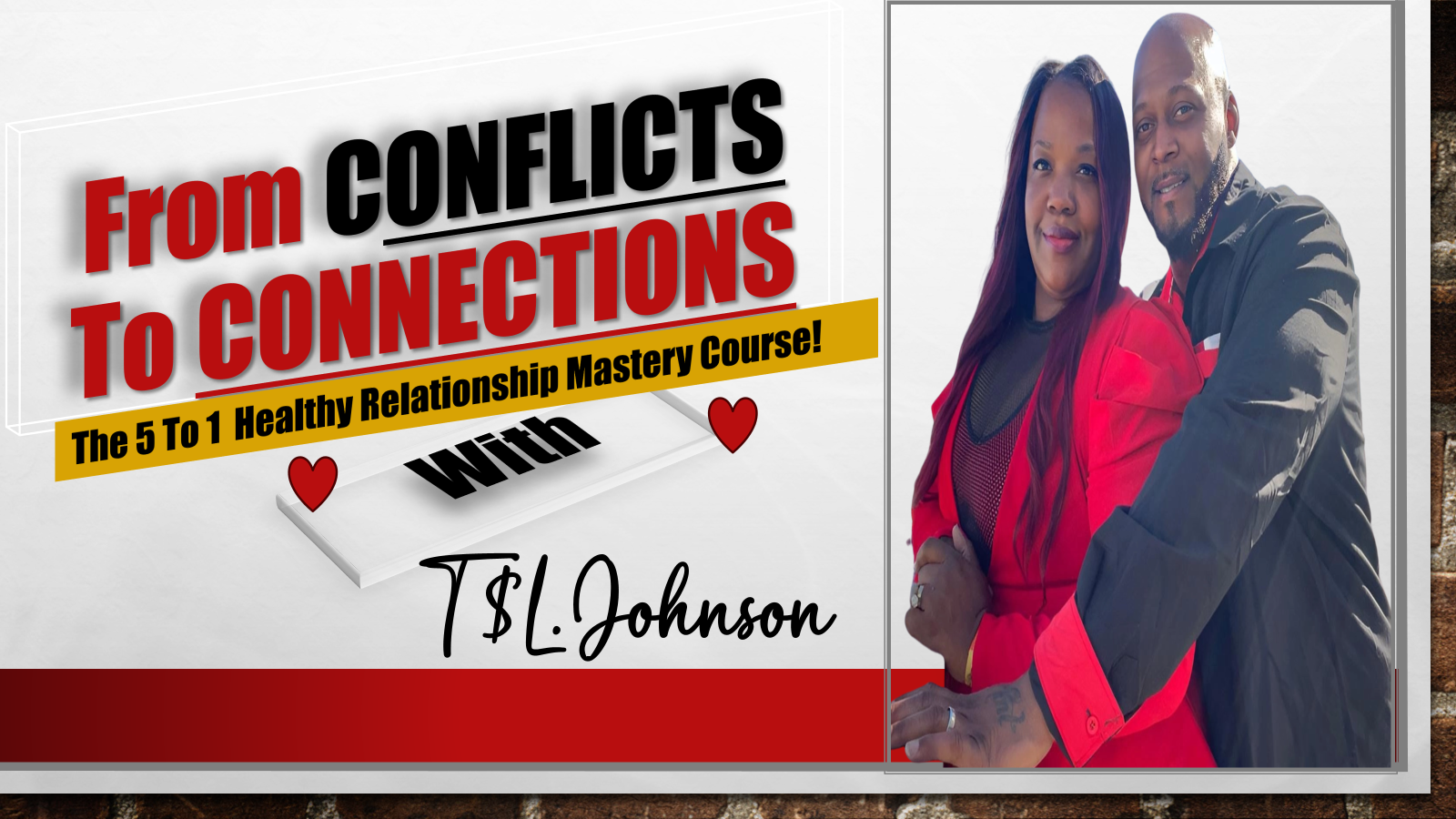
Limited: 🥰Beta Test Our 10-Video Mini Course For Free ” The Full Course Will Soon Be $297 ” 🥰5:1 Conflict2Connection Healthy Relationship Mastery Course Mini Course 🥰
Find Out More Here
Developing Emotional Intelligence
Emotional intelligence, in my experience, is like the Swiss Army knife of communication skills. Being aware of both my emotions and those of my partner has made a huge difference in our discussions. It’s not just about knowing what makes us happy or upset, but also understanding why we feel that way.
When things get heated, I try to tap into my emotional intelligence. It helps me to recognize when my partner may just need a little space or when it’s time to bring up an unresolved issue. This skill has transformed how we handle disagreements, shifting from blame to understanding.
To boost your emotional intelligence, I recommend being more introspective and reflecting on your feelings regularly. Journaling helped me a ton—it’s a space for me to check in with my emotions, making it easier to communicate them later on.
Practicing Patience
Patience is vital when it comes to effective communication. Everyone has their own pace when it comes to sharing, processing, and expressing feelings. I have learned that sometimes, just slowing down the conversation can work wonders. If something is bothering my partner, I try to let them talk, giving them time to sort through their thoughts.
Making space for silence doesn’t have to be awkward. In fact, it often leads to deeper connections. There have been times in my relationship where an uncomfortable silence turned into a rewarding discussion because I allowed my partner to dig a little deeper into their thoughts without jumping in too quickly.
So, the next time you’re chatting and it feels like it’s dragging, remember that patience might just be the key. Sometimes, good things come to those who wait—and that silence can be golden.
Conclusion
To wrap it all up, these communication skills—active listening, empathy, emotional intelligence, and patience—are all pieces that fit together to form a healthy relationship. They help foster understanding, connection, and ultimately love. Trust me, putting these practices into action will not only improve your relationship but also enhance every other interaction you have in life!
FAQ
1. What is active listening and why is it important?
Active listening is truly engaging with the speaker, paying attention to their words, and responding thoughtfully. It’s crucial because it shows that you value their thoughts and feelings, paving the way for better understanding in your relationship.
2. How can I create a safe space for communication?
Creating a safe space involves setting ground rules for discussions, allowing for vulnerability, and assuring each other that there’s no judgment. It’s about coming together to share openly, knowing it’ll be a supportive environment.
3. What are non-verbal cues and how do they affect communication?
Non-verbal cues include body language, gestures, tone of voice, and facial expressions. They can communicate feelings even more powerfully than words, so they are vital in understanding the complete message being conveyed.
4. How do empathy and emotional intelligence play a role in relationships?
Empathy allows you to understand and share the feelings of your partner, while emotional intelligence helps you navigate those feelings in a constructive way. Combined, they enhance communication and connection in relationships.
5. Why is patience important in communication?
Patience is key because it allows for reflection and deeper thinking. Rushing through conversations can lead to misunderstandings, while taking the time to listen and process can lead to richer discussions and strengthen bonds.
Schedule Your First 20-Minute Coaching
Call With Us Today to see if we fit . You pick the price!
Click Here

