Be Direct Yet Gentle
Finding the Right Words
When I first began to refine my communication style, I quickly realized that the way I articulated my thoughts could make a huge difference. It’s all about choosing your words thoughtfully. Rather than beating around the bush, I’ve learned that being direct doesn’t have to come off as harsh. I find that using gentle phrases alongside my main points can help soften the delivery while still getting straight to the point.
For example, I might say, “I feel concerned about this project,” instead of “This project is a disaster.” The first phrasing opens the conversation up, allowing for dialogue while still clearly communicating urgency. This approach has helped me foster healthier conversations, especially in professional settings.
So, whenever you’re preparing to share your thoughts, take a moment to sift through what you want to say. Find gentle ways to assert your opinions, and you’re likely to see positive reactions and more openness from your listeners.
Active Listening
Active listening is a game-changer in communication. It’s not just about hearing what the other person is saying; it’s about understanding and validating their feelings. When I engage in a conversation, I make it a point to really listen and show that I’m present. A simple nod, eye contact, or verbal affirmations like “I understand” can go a long way.
Often, when we focus on responding, we lose the essence of what the other person is conveying. By practicing active listening, I’ve found that I can respond more meaningfully, directly addressing what really matters to them. This approach not only strengthens relationships but also enhances mutual respect.
So, next time you’re in a conversation, ensure you are tuning in fully. It’ll deepen your connections exponentially!
Use Body Language Wisely
Body language can communicate so much without uttering a single word! I’ve always marveled at how a slight shift in posture or a genuine smile can convey warmth and openness. It’s like my non-verbal cues tell a story of their own. For instance, open body language—uncrossed arms and a relaxed posture—can invite others to share more with me.
On the flip side, closed-off body language might send signals of disengagement. I’ve made it a point to be aware of my physical presence during conversations. A warm smile or leaning in subtly during discussions can encourage more deep and meaningful exchanges.
Learning the nuances of body language has enriched my communication. It’s an essential part of saying more with less, helping me convey warmth and understanding without needing to fill the air with unnecessary chatter.
Embrace Vulnerability
Opening Up to Others
Being open and vulnerable is often viewed with reluctance in our fast-paced world. Yet, I’ve found that sharing my own experiences—both the wins and the struggles—has drawn people closer and fostered deeper understanding. When I admit my mistakes or share my fears, it creates a safe space for others to do the same. It encourages honesty, which is like oxygen to meaningful communication.
For instance, when I share a personal story related to a project setback, it becomes relatable. Others feel invited to share their own experiences. This reciprocal openness is refreshing and truly embodies the beauty of vulnerable communication.
Remember, vulnerability doesn’t make you weak; it bridges gaps and sets the stage for authentic connections!
Choosing the Right Moment
I’ve learned that timing can often be more important than the words we choose. Communication can only be effective if the time is right. For each important conversation, I always assess the environment. Is the other person stressed? Anxious? Busy? If so, I might hold back until they’re in a more receptive frame of mind.
It’s also about picking the right setting. A coffee shop might be a cozy choice for a heart-to-heart, while a boardroom could be perfect for professional discussions. The right moment allows the message to land more effectively and resonates much deeper.
So, never underestimate the power of timing. When we choose to communicate at the right moment, we’re giving our words and thoughts the best chance of being appreciated and understood.
Tailoring Your Message
One of the most essential skills I’ve developed is the ability to tailor messages based on my audience. Understanding who I’m talking to has allowed me to convey my thoughts in a clear and engaging manner, using relatable terms and concepts. Whether I’m talking to colleagues, friends, or family, I strive to adapt my language to resonate with them.
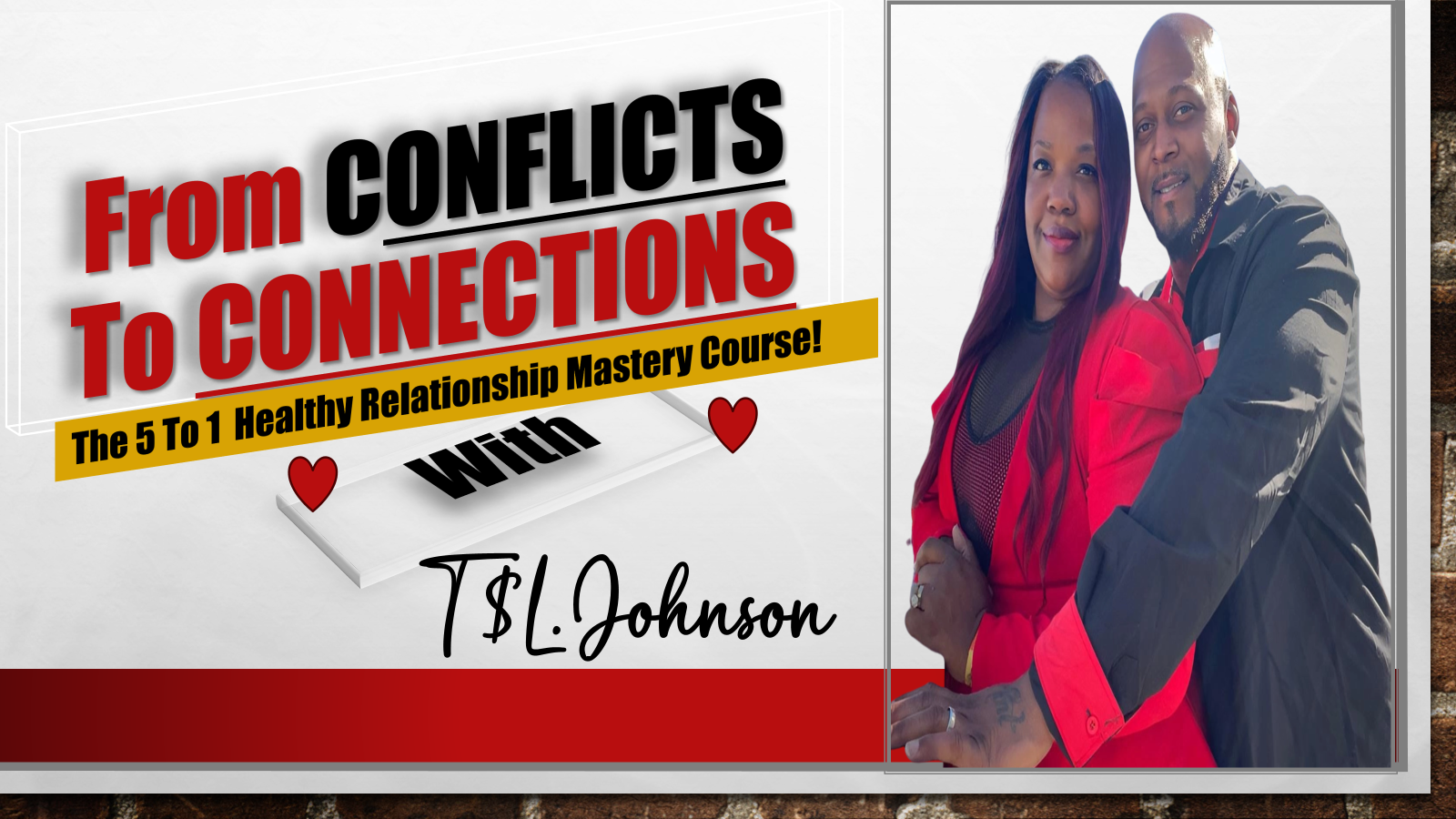
Limited: 🥰Beta Test Our 10-Video Mini Course For Free ” The Full Course Will Soon Be $297 ” 🥰5:1 Conflict2Connection Healthy Relationship Mastery Course Mini Course 🥰
Find Out More Here

For example, using technical jargon with my engineering friends feels natural and understood. But when I’m talking to my grandmother, I focus on simpler expressions and relatable anecdotes. This personalized approach not only keeps the communication smooth but also fosters inclusivity, inviting others into the conversation.
Ultimately, the key is to be flexible and observant. Tailoring my messages has vastly improved my interactions, making them more enjoyable and productive.
Practice Empathy
Understanding Diverse Perspectives
Empathy is at the heart of effective communication. It’s essential to try to see things from the perspectives of others. I make it a habit to consider what the other party might be feeling during our exchanges. Doing so allows me to respond thoughtfully and in a way that’s considerate of their emotions.
For instance, if someone is upset about a situation, responding with compassion instead of defensiveness makes room for healing and understanding. It can be as simple as saying, “I can see this is difficult for you,” that opens doors for more constructive dialogues.
Once I started practicing empathy consistently, I noticed that my conversations took on a much richer quality. It diffused conflicts and opened pathways to deeper connections.
Validating Others
Validation is another critical component of communication that I’ve prioritized. When someone shares their feelings or thoughts with me, I always strive to acknowledge and validate their experiences. This doesn’t mean I have to agree with them, but it shows them I’m listening and care about their perspective.
Saying things like, “That sounds really tough,” or “I understand why you feel that way,” can make a world of difference. People are more likely to engage with me and share openly if they feel seen and understood.
By simply validating others, I’ve built more trust in my relationships. This is crucial in both personal and professional settings—a little acknowledgement goes a long way.
Responsive Communication
Lastly, responsive communication has helped me immensely in saying more with less. I make it a priority to respond to what others say instead of just waiting for my turn to speak. This means I actually incorporate their points into my responses, creating a more dynamic and engaging conversation.
For instance, if someone shares a concern about a project, I wouldn’t just launch into my own opinions. Instead, I’d respond directly to their concern first, which fosters a more connected and cooperative environment. It’s all about keeping the conversation fluid and respectful.
Practicing responsiveness has transformed my dialogues. It makes conversations less about delivering monologues and more about building bridges between thoughts and ideas.
FAQs
1. What is the main theme of “The Feminine Art of Communication”?
The main theme revolves around enhancing communication effectiveness by saying more with fewer words, using approaches like empathy, active listening, and directness.
2. How can I improve my active listening skills?
To improve active listening, focus on being fully present during conversations, nodding or verbally affirming your understanding, and asking relevant questions to clarify points.
3. Why is vulnerability important in communication?
Vulnerability fosters trust and creates a safe space for others to share their feelings, leading to deeper connections and more meaningful conversations.
4. How can I tailor my message effectively?
To tailor your message, consider the audience’s background and familiarity with the topic, and adjust your language and examples accordingly to ensure relatability.
5. What role does empathy play in effective communication?
Empathy allows you to understand and acknowledge the feelings of others, which helps foster constructive dialogues and mutually respectful conversations.

Schedule Your First 20-Minute Coaching
Call With Us Today to see if we fit . You pick the price!
Click Here