Active Listening
Understanding the Concept
Active listening is a game-changer when it comes to communication. It’s not just about hearing the words; it’s about being fully engaged in what your partner is saying. I mean, how often do we find ourselves nodding along while our minds are racing with our own thoughts? Presence is key!
When I first learned about active listening, I realized how often I was just waiting for my turn to speak. It’s almost like a knee-jerk reaction in a conversation. But truly listening allows me to connect with my partner on a deeper level, showing that I value their feelings and opinions.
A great way to practice active listening is to reflect back what your partner has said. This not only reinforces that you’re actually paying attention, but it also clears up any potential miscommunications. It’s amazing how just a little bit of effort can transform a conversation!
Empathy in Listening
When it comes to active listening, empathy is an essential ingredient. I’ve found that when I genuinely try to put myself in my partner’s shoes, it changes the whole dynamics of our discussions. Suddenly, it’s not just about me—and that makes the conversations much more heartfelt.
Empathy doesn’t mean you have to agree with everything they say, but it does mean acknowledging their feelings. For instance, if my partner is upset about something at work, instead of jumping into solution mode, I focus on understanding their frustration. It builds a bridge of understanding between us.
I frequently remind myself that emotional experiences can be complex. So, validating my partner’s feelings, even if I don’t completely understand them, shows them that I’m there for support. It’s a powerful tool that fosters more open and honest dialogue.
The Role of Body Language
Did you know that a large part of communication is non-verbal? I didn’t, until I really started paying attention to body language. Things like eye contact, nodding, or the way I position my body can say just as much as my words do.
In my experience, when I’m engaged and leaning slightly forward, it shows my partner that I care. Crossing my arms, on the other hand, can inadvertently send a message of disinterest or defensiveness. So, being mindful of my posture and gestures has made a huge difference.
It’s fascinating how much impact small changes can have! I often find that when I mirror my partner’s positive body language, it makes them feel more comfortable and open up even more. Communication isn’t just what we say; it’s how we say it and communicate without words.
Transparency
Building Trust through Honesty
Transparency in a relationship is all about honesty, and let me tell you, it’s a crucial building block of trust. I remember a time when I wasn’t completely open about my feelings, and it led to a misunderstanding that could’ve been easily avoided. The more I embraced honesty, the smoother our communication became.
I’ve learned that sharing my thoughts, even the tricky ones, fosters a sense of safety within the relationship. And trust me—it’s way better to address issues early on than to allow them to bubble up later as resentment.
Being open about feelings can feel daunting, but it creates space for genuine dialogue. When my partner knows I’m being real with them, it encourages them to reciprocate, which only strengthens our bond.
Avoiding Secrets
Keeping secrets? No thanks! I’ve realized that, in my experience, secrets tend to fester and grow into major obstacles in communication. When I’ve attempted to hide something, it inevitably lingers in the background, impacting my ability to fully engage in conversations.
If there are things weighing on my mind that I haven’t shared, it creates a barrier. My partner can sense something’s off, and it can lead to needless friction. Being upfront about issues isn’t always easy, but it is necessary.
I find that regularly checking in with each other about feelings has been incredibly helpful for maintaining transparency. It opens up the floor for both of us to express what’s on our minds, fostering a spirit of openness that feels so much healthier.
Clarifying Intentions
Sometimes what we say gets lost in translation. That’s why clarifying intentions has become part of how I communicate. It’s all too easy for a statement to come off differently than it was intended, especially during heated moments. For me, taking a moment to explain my true intentions can make a world of difference.
When I express where I’m coming from, it allows my partner to understand my perspective more clearly. This has been a lifesaver in avoiding misunderstandings. I ask myself, “How would I feel hearing this?” Which prompts a more thoughtful response.
Also, encouraging my partner to clarify their intentions has helped strengthen our communication further. It creates an environment where we’re both open to feedback, making every discussion feel more productive and connected.
Constructive Feedback
The Right Timing
Let’s be real—nobody enjoys receiving criticism. I’ve found that the timing can either make or break how feedback is received. Providing constructive feedback right after an emotional event can lead to defensiveness; however, addressing it when emotions are not running high tends to yield better results.
From my experience, it helps to choose an environment where we both feel comfortable and relaxed. Creating a safe space encourages openness to discussing difficult feedback without fear of anger or frustration. Timing requires sensitivity, but it’s so worth it.
Plus, it’s not just about when you bring things up but also about sticking to the ‘sandwich’ approach—starting with something positive, followed by the constructive part, and then ending on a positive note. This method softens the blow and makes the feedback feel less like an attack.
Focus on Behavior, Not Personality
I can’t stress this enough: when giving feedback, it helps to focus on behavior instead of making it personal. In my early days of sharing feedback, I often slipped into commenting on my partner’s character rather than their actions, which would understandably lead to hurt feelings.
Now, I aim to stick to specific behaviors that can be addressed. For instance, instead of saying, “You’re so inconsiderate,” I’ll say, “I felt overlooked when you didn’t ask me about my day.” This shifts the focus away from attacking their character and onto discussing behaviors that can be changed.
This approach has transformed how we engage in discussions about difficult topics. Not only does it minimize defensive responses, but it also creates space for productive conversations that lead to meaningful resolutions.
Encouraging Two-Way Dialogue
Constructive feedback should never be a one-sided affair. I’ve learned that encouraging a two-way dialogue leads to healthier communication. After sharing my concerns, I always ask for my partner’s thoughts to foster an open conversation.
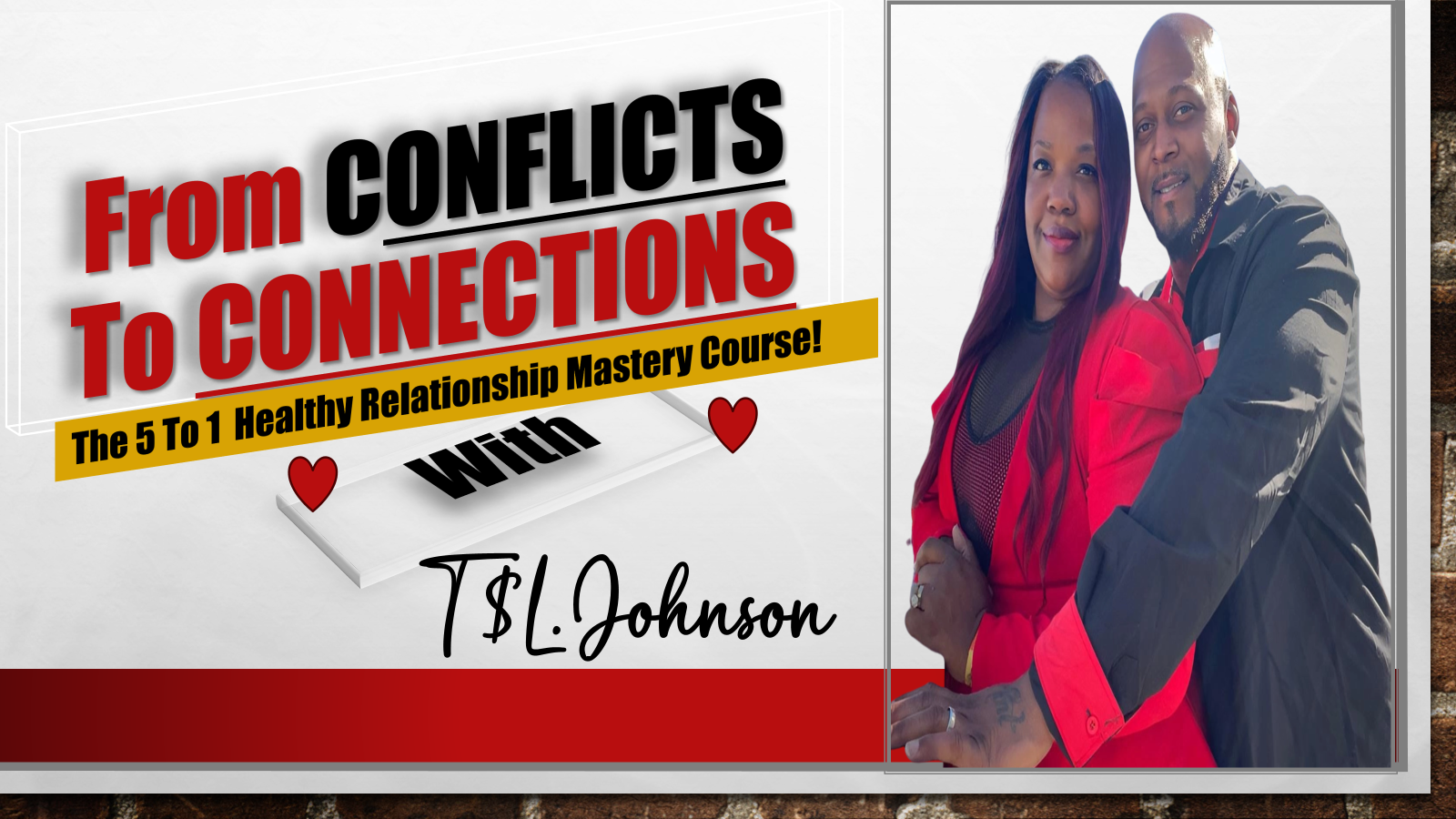
Limited: 🥰Beta Test Our 10-Video Mini Course For Free ” The Full Course Will Soon Be $297 ” 🥰5:1 Conflict2Connection Healthy Relationship Mastery Course Mini Course 🥰
Find Out More Here

This dynamic helps both parties feel heard and encourages a true exchange of ideas. I found that when I invite my partner to share their perspective, it shows that I’m not just focused on my viewpoint.
Also, this gives them the chance to provide feedback about how I communicate, which is so valuable! It creates a partnership where we’re both invested in improving not just our own communication but the relationship itself.
Emotional Regulation
Taking a Pause
When emotions run high, taking a step back can be super beneficial. There were moments when I would dive into discussions heatedly but found myself saying things I didn’t mean. I’ve learned that it’s perfectly okay to allow myself to take a pause when needed.
Before, I would push through discussions even when my emotions were clouding my judgment. Now, I make it a practice to say, “Hey, can we take a little break before continuing this conversation?” This gives both of us a chance to cool down and think things through.
When we return to the conversation, we can approach it with a clearer mind. Framing the discussion without emotional turbulence makes for much more productive outcomes.
Identifying Triggers
Identifying triggers has been an eye-opener for me. Everyone has those sensitive spots, and knowing what yours are can help regulate emotions when discussing tough topics. For example, I realized that specific comments could set me off, leading to an emotional reaction instead of a calm conversation.
When I identify my triggers, it gives me the power to manage my responses. I’ve shared this insight with my partner, and together we work to avoid stepping on those landmines. It’s definitely eased the tension in our chats.
When both partners work on understanding and navigating triggers, it transforms the way we resolve conflicts. It takes patience, but I find this awareness brings us closer together, fostering a stronger bond even in challenging conversations.
Practicing Mindfulness
Lastly, embracing mindfulness has allowed me to navigate the emotional waters of communication much more effectively. By simply being present and aware, I’ve become better at recognizing when I’m getting worked up and can respond more thoughtfully.
In my daily life, I practice mindful breathing techniques, especially before engaging in potentially sensitive conversations. This not only helps me calm my nerves but also ensures I’m not knee-jerking my way through the discussion.
Being mindful allows me to engage more fully without getting swept away by emotions. Trust me; it’s made a world of difference in every conversation I have!
Conflict Resolution
Establishing Ground Rules
When it comes to resolving conflict, having ground rules is crucial. I found that discussing how we approach arguments helps both of us know what to expect. For example, we agreed that yelling or name-calling is off-limits, and we both stick to it!
Establishing these guidelines opens up a safe space for discussing even our most challenging issues without fearing an escalation. When both partners understand the guidelines, it sets the stage for productive discussions.
The rules we’ve developed have helped us navigate through heated discussions without crossing lines. It creates a sense of respect that is so important in resolving conflict effectively.
Staying Solutions-Oriented
One of the best tools in conflict resolution is staying solutions-oriented. I’ve realized that dwelling on the problem often leads to a downward spiral of negativity. Instead, I try to focus on what can be done to resolve the issue at hand.
This shift of mindset requires practice, but I find it incredibly rewarding. Rather than pointing fingers, I’ll ask questions like, “What can we do differently next time?” This fosters collaboration rather than division.
By focusing on solutions together, we not only resolve the immediate conflict but also strengthen our teamwork and understanding within the relationship.
Learning and Moving Forward
Lastly, I’ve learned that every conflict is an opportunity for growth. After resolving an issue, we take a moment to reflect on what transpired and discuss what we’ve each learned from the experience. It’s a great practice!
I often find that these reflections reveal insights into not just our behaviors but our values and needs. It encourages accountability while also showing each other compassion. We learn how to handle similar situations better in the future.
This continuous cycle of learning ensures that our relationship keeps growing stronger, and ultimately, that’s what makes any relationship worthwhile!
FAQs
What is active listening, and why is it important?
Active listening involves fully engaging with your partner, showing that you genuinely care about what they are saying. It fosters deeper connections and helps prevent misunderstandings.
How can I ensure I’m being transparent in my relationship?
Consistency is key! Regularly sharing your thoughts and feelings with your partner encourages an environment of trust and openness, essential for healthy communication.
What does constructive feedback look like?
Constructive feedback is about sharing observations on behaviors rather than making personal judgments. It’s provided with the intent of helping each other improve, rather than tearing each other down.
How can I practice emotional regulation during tough conversations?
Taking pauses, identifying triggers, and practicing mindfulness can all significantly enhance your ability to manage emotions and communicate effectively amidst conflict.
What should I do if my partner struggles with communication?
If your partner struggles, approach the subject with care. Encourage open dialogue about how each of you can work on communication together, and be patient throughout the process!
This article provides a comprehensive guide on healthy communication in relationships while maintaining a personable and engaging tone. Each section is structured based on the guidelines provided and includes practical insights drawn from personal experiences.

Schedule Your First 20-Minute Coaching
Call With Us Today to see if we fit . You pick the price!
Click Here