 admin
adminCommunication Styles Differ
Understanding His Perspective
One thing I’ve learned over the years is that we all communicate differently. What might seem like a simple request to me could get lost in my husband’s world of thoughts, distractions, and his own communication style. There have been numerous moments where I thought he wasn’t listening just because he wasn’t responding the way I expected. It’s like speaking different languages sometimes!
When I realized that he processes information differently, it paved the way for better communication. Sometimes he needs time to think and doesn’t respond immediately. I learned that giving him space to formulate his thoughts makes a big difference in how our conversations flow.
Reflecting on our discussions, I found that sometimes my husband connects better with visuals or specific examples. If I shared a personal experience or story related to what I needed, it helped bridge the gap. Understanding these differences has been a game-changer in our dialogues.
Non-Verbal Cues Matter
Another aspect I initially overlooked was the power of non-verbal communication. I could be chatting away, passionately trying to get my point across, while he’s just zoned out, unaware of the energetic vibe I was giving out. I’ve learned that the way I approach him—whether I’m upbeat, tired, or stressed—really influences his engagement.
Sometimes, I catch myself multitasking while trying to talk. Hey, guilty as charged! But I realized that if I made it a point to look him in the eye and give my full attention, it significantly boosted his responsiveness. It’s as if he felt my sincerity, and suddenly, he was all ears.
I’ve also noticed how vital timing is. Picking the right moment to discuss important topics makes a world of difference. I tend to wait until he’s unwinding from work, rather than bombarding him while he’s knee-deep in a video game or catching up on a show. Picking the right moment means he’ll be more receptive.
Listening Isn’t Just Hearing
It took me a while to grasp that listening isn’t just about hearing words; it’s about understanding emotions behind them. I felt frustrated when he’d repeat back what I’d said without really grasping the context. So, I started to express my feelings more openly and clearly. Expressing emotions added depth to our conversations.
One evening, I decided to share a concern I had in a way that focused on how it made me feel instead of just stating it plainly. It surprised me how much more engaged he became. He wasn’t just hearing words; he was relating to my feelings, which unlocked a different level of conversation.
We often get caught up in the mechanics of conversations, but adding a personal touch or an emotional context helps a ton. It’s like painting a masterpiece instead of just sketching a outline. He’s now a lot more attuned to subtleties, and that’s helped me feel validated in our discussions.
Distractions Are Everywhere
Identify External Interruptions
Let’s face it, we live in a world filled with distractions. Our phones, the television, and noise from outside can all interfere with meaningful conversations. I’ve been in situations where I’d be pouring my heart out only to see his eyes glued to his phone, responding to notifications instead of me. Talk about feeling ignored!
To tackle this issue, I encouraged us to create a distraction-free zone during serious discussions. At first, it felt a bit forced, but over time, it became a natural part of our dialogue. We even made a game out of it; whoever checks their phone first has to do the dishes. We’ve laughed over it, but it truly renewed our focus!
Sometimes, even ambient noise can derail a conversation. I’ve learned to pick quieter times, like early mornings or late nights when everything’s settled. Those pocket moments are golden when it comes to grabbing his attention fully.
Make Your Points Clear
I’ve spent too many afternoons going in circles trying to convey my point. So, one day, I decided to practice clarity. Instead of piling on too much information, I organized my thoughts beforehand; like writing a mini-script in my head. I noticed that when I was straightforward and structured, he could follow along with much more ease.
This concept might sound simple, but starting each conversation with the main point instead of fluff makes a big difference. I try to lead with my thoughts rather than burying them beneath a lot of details that could muddy the waters. It’s been refreshing; I feel heard, and he feels less overwhelmed.
I’ve also learned to ask open-ended questions. Instead of saying “Did you like your dinner?” which can easily turn into a simple yes or no, I frame it as “What did you enjoy the most about dinner tonight?” This invites him into the dialogue and helps him engage more deeply with the topic. Triple win!
Practice Active Listening
Active listening is a skill I’ve had to cultivate. At first, I’d hear his words, but my mind would wander off to my to-do list or what I needed to say next. Realizing this was my self-revelation moment. I needed to slow down and really engage with what he was saying. Now, I make it a point to nod, ask follow-up questions, or paraphrase what he said to show I’m truly grasping his perspective.
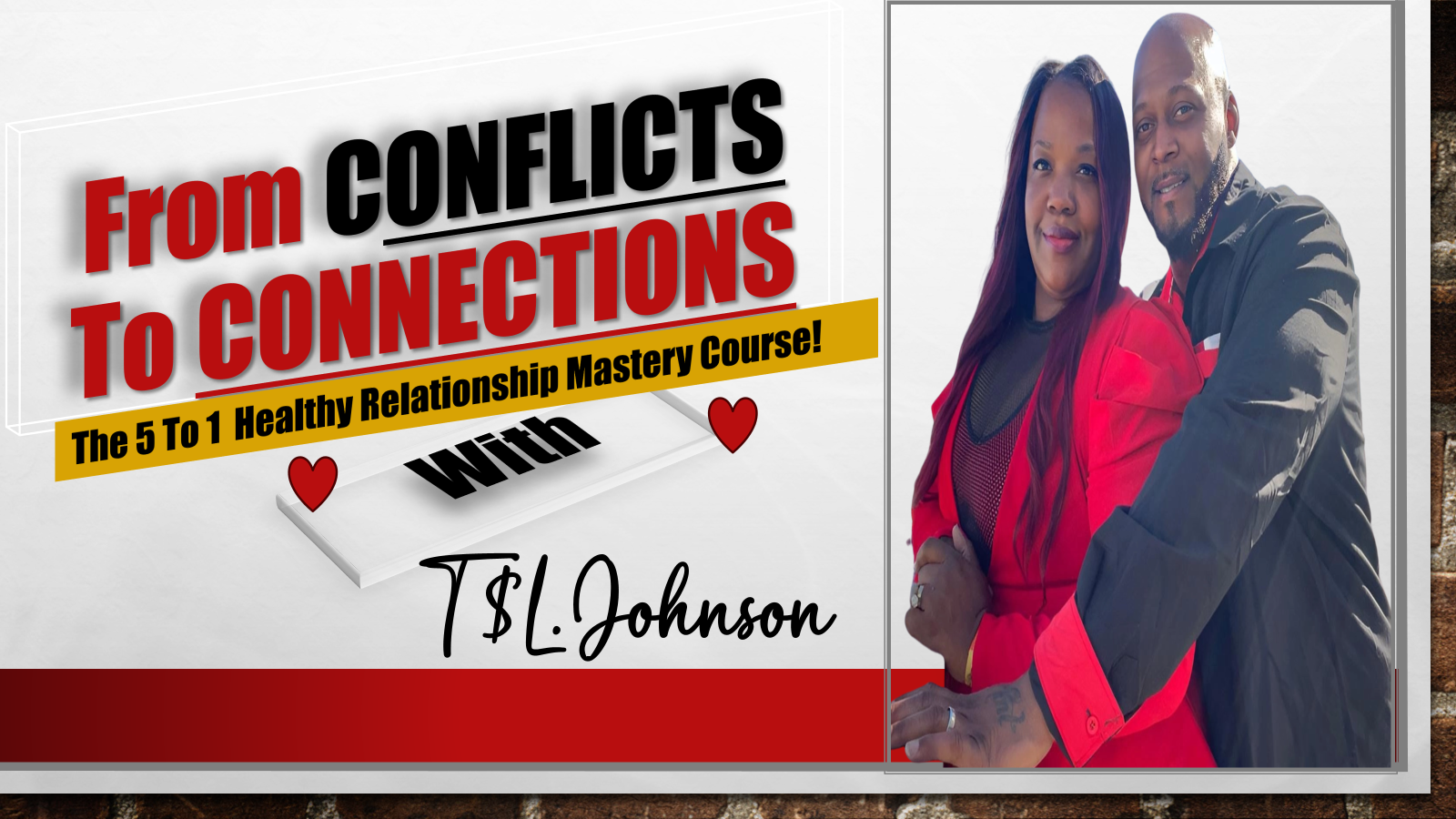
Limited: 🥰Beta Test Our 10-Video Mini Course For Free ” The Full Course Will Soon Be $297 ” 🥰5:1 Conflict2Connection Healthy Relationship Mastery Course Mini Course 🥰
Find Out More Here
Something that’s helped me was establishing a routine after long workdays. We set aside time just to share about our day—no interruptions, just us. It created a rhythm where we can both express ourselves openly, and I honestly found myself much more invested in conversations. It became our wind-down tradition.
When I practice active listening, it brings out a side of him I hadn’t noticed before. He’s more relaxed, shares more about his feelings, and it builds trust. Simple acknowledgment of his words creates a space where he feels valued. It’s a little effort that leads to deep connections.
Expressing Needs Clearly
Say What You Mean
When I started to openly express what I needed, I was amazed at how it changed the game. No more beating around the bush or expecting him to read my mind. It seems so basic, but stating my needs clearly was always a challenge for me. Sometimes, I thought saying “I need help with this” would feel like a burden. But in reality, it’s a relief!
For example, I began to articulate when I just needed emotional support versus when I wanted practical solutions. Saying “I just need you to listen” or “Can we brainstorm solutions together?” transformed our discussions and allowed him to engage on the right level. I felt much lighter, and he got the cues much better.
Additionally, breaking down my expressive needs has opened a path for him to do the same. Our relationship has evolved into an honest space where vulnerability is valued, making it easier to discuss needs openly rather than keeping everything inside.
Encouraging Feedback
One game-changer for me was inviting him to give feedback. I found it dull to always be the only voice in the room. It’s vital for both of us to share how we’re feeling or if something isn’t working. So instead of just spewing my thoughts, I started turning the tables and asking him what he thinks on certain issues. This not only sparked a deeper conversation but also let him know I value his opinion.
His feedback sometimes catches me off guard but in a good way! It fosters mutual growth, and the feedback loop creates a dialogue where neither of us feels left out. Plus, we learn so much about each other’s perspectives and preferences.
It also paves the way for solutions! When we discuss feedback openly, we can brainstorm together and come up with plans that fit both of our needs. It’s a simple yet effective approach that encourages growth as a couple.
Creating a Supportive Environment
Creating an environment where our needs can be freely discussed is essential. There have been times when I felt insecure about sharing what I really wanted. Empowering each other to be candid builds a solid foundation. We worked on establishing a non-judgmental ground where both can voice feelings without the fear of backlash.
Setting routines that encourage connection has also strengthened this environment. Much like those evening check-ins, creating little traditions has ushered in an atmosphere of support and openness. Whether it’s cooking together or planning a weekend walk, these moments really help us connect away from distractions.
By fostering a nurturing environment, we’ve forged stronger bonds. Being openly expressive has led to a ripple effect, enriching not just our communication but our overall relationship too. It’s all about creating a safe space where love and understanding grow.
FAQs
1. What should I do if my husband still doesn’t listen?
If you’re finding that your husband continues to not listen, consider revisiting your communication strategies. Adjust your approach by ensuring that you’re both on the same page on how to communicate. It might also help to reach out for counseling to facilitate healthy dialogues.
2. How important is body language in communication?
Body language is immensely important! What you convey through your non-verbal cues can significantly impact whether your partner feels engaged or disconnected. Being mindful of your body language can enhance understanding and connection between you both.
3. Can distractions really affect a relationship?
Absolutely! Distractions can hinder deep conversations and lead to misunderstandings. Setting a distraction-free zone and choosing the right moments for discussions is vital to ensuring that both partners feel heard and valued.
4. How can I improve my active listening skills?
Improving your active listening skills involves consciously focusing on what your partner is saying, making eye contact, and responding thoughtfully. Paraphrasing what they’ve said or asking clarifying questions can also help reinforce that you’re actively engaged.
5. What if my needs conflict with my husband’s?
Conflict in needs is natural. Open communication is key to navigating these differences. Discuss the needs with respect and a willingness to compromise. Finding a solution that acknowledges both needs strengthens relationship bonds.

Schedule Your First 20-Minute Coaching
Call With Us Today to see if we fit . You pick the price!
Click Here
