 admin
adminUnderstanding Communication Styles
Recognizing Your Own Style
One thing I’ve learned in my journey is that everyone communicates differently. I had to dig deep to recognize how I express myself. Sometimes I’m straightforward, while other times my emotions get the best of me. Understanding how I communicate helps me identify when things aren’t going smoothly in conversations with my partner.
It’s crucial to be honest with yourself. Take some time to think about your past conversations and ask yourself questions. Do you tend to be more aggressive, passive, or assertive? Reflecting on this allowed me to pinpoint where miscommunication often happens and shifts the way I approach discussions.
Once you know your style, share it with your partner. By sharing these insights, it not only opens the door to better communication but also helps build trust and vulnerability, which I’ve found to be so vital in a relationship.
Understanding Your Partner’s Style
Now that I’ve figured out my own communication style, it’s essential to understand my partner’s way of expressing themselves. Each person has their own unique way of conveying thoughts and feelings, and it’s not always an easy match-up. I observed my partner’s mannerisms, words, and even pauses in conversation to get a better grasp on their style.
Learning my partner’s language—figuratively, of course—has transformed our interactions. I started to notice patterns; for instance, when they become quiet, it’s often less about disagreement and more about processing their thoughts. By recognizing these cues, I’ve been able to approach them in a way that feels supportive and nurturing.
Having open conversations about our differing styles has allowed both of us to express what we need from each other. It’s fantastic to see how understanding each other’s communication makes us feel safe to speak up and share more freely.
Adapting Communication Techniques
One effective technique I’ve found helpful is using “I” statements. Rather than saying, “You never listen,” I started expressing my feelings with statements like, “I feel unheard when you don’t respond.” This approach is powerful because it takes the blame off my partner and instead focuses on how I feel. It encourages a healthier dialogue.
I also found that summarizing our conversations is a game-changer. I began paraphrasing my partner’s points after they spoke. This not only shows that I’m listening but also clarifies any misunderstandings right then and there. And let me tell you, it really helps in avoiding conflicts that stem from miscommunication!
My partner and I also decided to check in with each other during tough conversations. A simple, “Are we on the same page?” gives us a moment to pause, reflect, and adjust if needed, ensuring that both of our needs are being met throughout the discussion.
Practicing Active Listening
Engaging with Body Language
This might sound super basic, but you’d be surprised how much body language can say. I learned that leaning in, maintaining eye contact, and nodding affirmatively shows my partner that I am fully engaged in the conversation. It creates a warm atmosphere that encourages open sharing.
Also, putting down my phone, turning off the TV, and being present made a colossal difference. The distractions that come with technology can truly cloud effective communication. By dedicating that time to just each other, we create a space where both of us feel valued.
It’s incredible how small shifts in body language can amplify feelings of connection. When I noticed how my partner relaxed more when I mirrored their expressions, it made me realize that we were building a bridge rather than a wall.
Responding Thoughtfully
After truly listening, I focus on responding in a thoughtful way, as opposed to jumping straight to my point. Pausing before replying has been a vital skill to develop. It gives me the chance to process what was said and formulate an empathetic response. This doesn’t mean every pause is awkward; rather, it often leads to more profound reflections.
By acknowledging their feelings, “I can see this is hard for you,” I let them know that I’m not just hearing their words but actually understanding their emotions. It often leads my partner to open up even more.
To be honest, I sometimes still forget and jump into problem-solving mode. When it happens, my partner often reminds me to slow down. We keep this open communication about our needs, and that little nudge can steer us back when things get murky.
Clarifying and Confirming Understanding
I can’t stress enough how important it is to double-check understanding. This isn’t about interrogating; it’s about ensuring clarity. Phrasing questions like, “What I hear you saying is…” has become my go-to strategy. It confirms that I’m on the right track and gives my partner a chance to correct me if I misinterpreted their message.
In some cases, I even repeat what they said to me in my own words. This method solidifies our communication and showcases that I am fully engaged. I’d be surprised if anyone thought this approach was over the top; trust me, it’s life-changing!
Over time, we’ve started to take this step for granted. Little do we realize that a habit we developed contributes significantly to our proactive communication strategies, saving us tons of time from saying things we don’t mean due to misunderstanding.
Creating Safe Spaces for Open Dialogue
Setting Boundaries
One time, early in our relationship, I realized we were getting into heated debates that weren’t helping us to time or again. Establishing boundaries around our discussions was imperative. We both agreed that during tough conversations, it’s essential to set aside our egos and recognize our limits.
Every couple has their boundaries, and this was crucial for us. We decided that if things got too heated, we could take a break and return when we were calm. This simple agreement has saved countless arguments from escalating unnecessarily.
Communicating these boundaries may feel challenging, but it’s all about mutual respect. When both people know their limits, it arms you with tools to engage in healthier dialogues free from hostility.
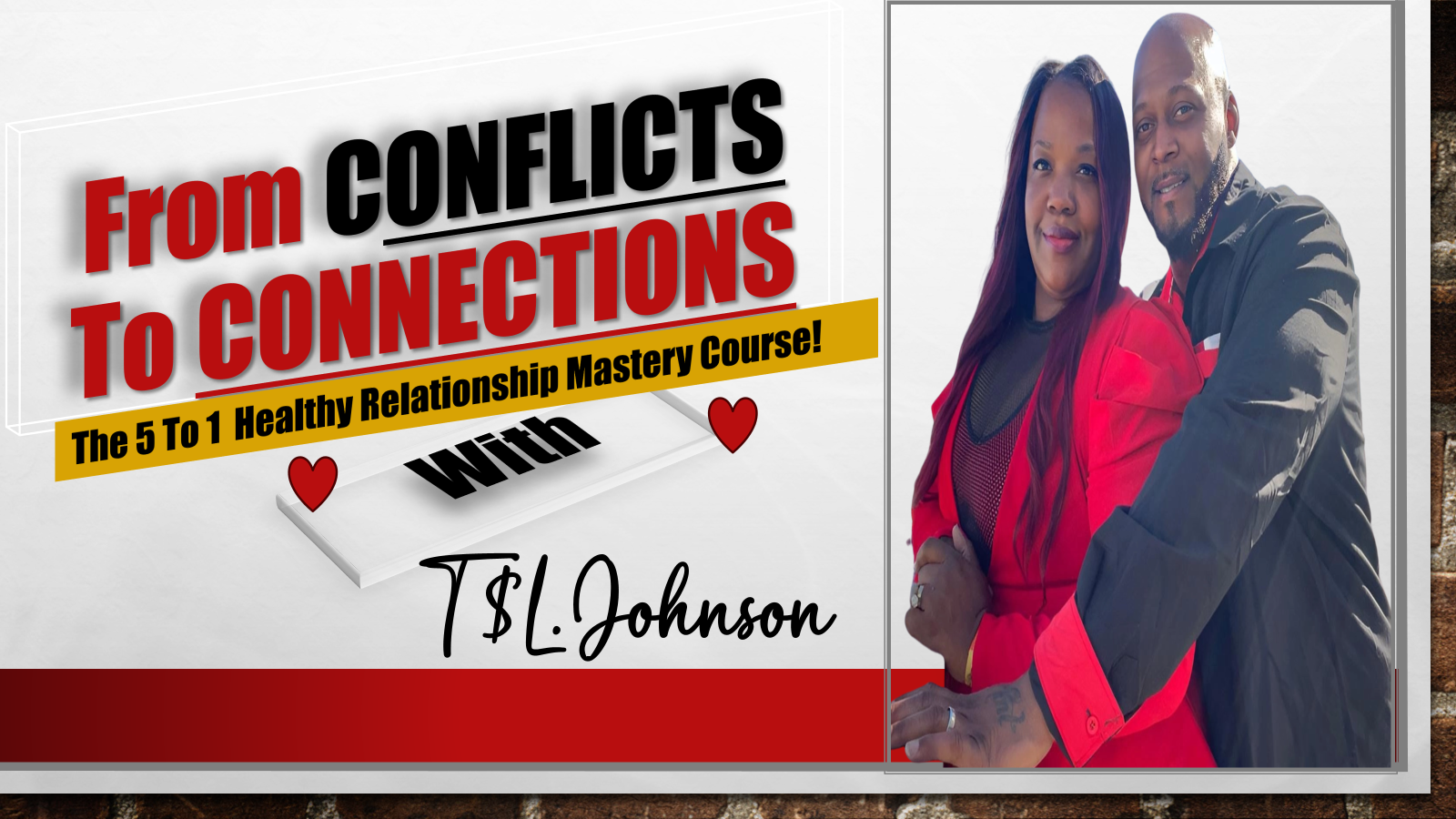
Limited: 🥰Beta Test Our 10-Video Mini Course For Free ” The Full Course Will Soon Be $297 ” 🥰5:1 Conflict2Connection Healthy Relationship Mastery Course Mini Course 🥰
Find Out More Here
Encouraging Vulnerability
Creating a space where both of us can be vulnerable took time but made all the difference. Initially, I was nervous opening up entirely; I didn’t want to scare my partner away. But slowly, I learned that sharing my fears and feelings welcomed them to do the same.
I found that expressing my vulnerabilities led to deeper connections and trust. When I share my fears about our relationship, my partner often reciprocates, and we quickly realize we share the same concerns. This creates an environment filled with compassion and understanding.
The emotions we face can be overwhelming, but knowing we have each other’s backs keeps us united. In those moments, we work as a team, addressing our struggles together rather than letting miscommunication tear us apart.
Recognizing Each Other’s Efforts
Gratitude is a powerful tool! I made it a practice to recognize when my partner makes an effort to communicate better, even if things don’t go perfectly. A simple, “Hey, I appreciate how you tried to express that feeling” means the world to them. Acknowledgment reinforces those positive behaviors.
Taking the time to appreciate the small victories in communication can lead to bigger ones down the line. Instead of focusing on the faults and slip-ups, we celebrate the progress we have made together. It fosters a growth mindset!
In the end, these simple acts of recognition help cultivate a loving environment where we feel safe to be ourselves. The more reassurance we give, the more empowered we feel to communicate freely and authentically.
Regularly Check-In with Each Other
Scheduling Weekly Conversations
This step was a game-changer for us! We decided to carve out time every week for a dedicated conversation without distractions. These check-ins became like mini-therapy sessions where we could discuss our feelings about each other and the relationship openly. It keeps us connected and feeling secure.
During these check-ins, I deliberately create a space where it’s okay to bring up anything weighing on our hearts. No topic is off-limits, whether it’s about handling chores or deeper issues. The aim is to promote understanding and connection, making us feel heard.
Over time, these sessions evolved into a habit that deepened our bond. It’s amazing how just setting aside that time can help address issues before they grow out of control!
Being Open to Feedback
Receiving feedback isn’t always easy, but it’s essential. I conditioned myself to see it as constructive rather than personal criticism. Whenever my partner shares something they feel could be improved, I work hard not to get defensive. This mindset opens the door for growth, both for me and our relationship.
We also developed a method of framing feedback positively. Instead of “You always forget,” we’ll use, “I’d appreciate if you remember to…” This softer approach encourages better communication, and I found that my partner is more inclined to listen rather than go on the defensive.
Our willingness to assess our behaviors and communicate feedback has allowed us to evolve both individually and as a couple, building an ongoing cycle of improvement and understanding that I really appreciate.
Making Time for Fun and Connection
Lastly, I can’t stress enough how important fun is in communication! Taking time away from serious discussions and enjoying light-hearted moments strengthens our bond. Whether we go on spontaneous adventures or have a simple movie night, these moments foster intimacy.
When we’re engaged in fun activities, it frees us from the stress of day-to-day life, making it easier to communicate openly when serious topics arise. Playfulness encourages vulnerability, and it reminds us both why we fell in love in the first place.
In the long run, these joyful experiences enrich our relationship and create memories that reinforce our bonds, providing an excellent foundation for those important conversations we also need to have.
FAQs
What if my partner isn’t open to improving communication?
This can be tough. You might start by modeling the behaviors you want to see. Sometimes, showing how effective and satisfying open communication can be sparks change in your partner over time.
How can I find the right time to have important conversations?
Be mindful of your partner’s state of mind and external circumstances. It’s best to choose a time when both of you feel calm and free from distractions. A quiet evening can often be the perfect setting.
What should I do if arguments still occur?
Arguments are a part of any relationship. When they happen, take a step back and utilize the techniques discussed above. Revisit the points about active listening and clarifying understanding; it can make a big difference.
How can we keep track of our progress in improving communication?
Keeping a shared journal can be very effective. You can each write down thoughts or feelings and track progress over time. Regularly reviewing those entries during your check-ins can highlight how far you’ve come.
When is it time to seek professional help?
If you find yourself repeating the same patterns or feeling stuck despite trying various strategies, seeking the help of a couples therapist can be beneficial. They can offer personalized strategies and a neutral perspective.
Schedule Your First 20-Minute Coaching
Call With Us Today to see if we fit . You pick the price!
Click Here
