 admin
adminListening Actively
Being Present in the Moment
In my experience, one of the fundamental aspects of good communication is being truly present. When my partner is talking, I try to put my phone down and turn off the distractions. It’s amazing how much clearer understanding becomes when you’re focused solely on your spouse.
One technique that really helped me was to practice mindfulness. I learned to take a moment, breathe, and give my full attention to what my partner was saying. I found that this not only improved my understanding but also made my spouse feel valued.
So, when talking with your partner, commit to being in the moment. Not only will this help prevent misunderstandings, but it builds trust and shows that you truly care about what they’re sharing.
Clarifying Understanding
We’ve all had those moments where we think we understood something, only to realize later that we were way off base. I learned that clarifying is key. Sometimes, when my partner says something, I’ll repeat it back in my own words. This simple act can prevent huge arguments down the line.
For example, if they mention feeling stressed about work, instead of just nodding, I’ll say, “So, you’re feeling overwhelmed by the current project deadlines?” This not only confirms my understanding but also shows my partner that I’m engaged in the conversation.
Don’t shy away from asking questions. Following up on statements with “Can you elaborate on that?” or “What do you mean by…?” can open doors to deeper conversations, thus strengthening your communication.
Validating Emotions
Another lesson I learned was the power of validating my partner’s feelings. When they express something, instead of immediately offering a solution or judgment, I try saying something like, “It makes sense that you’d feel that way.” This acknowledges their emotions and can diffuse tension before it starts.
Validation doesn’t mean you have to agree with everything your partner says. It’s more about showing that you understand and respect their feelings. I’ve seen how this approach fosters a safer space for open discussions, allowing my partner to express themselves freely.
Remember, communication isn’t just about exchanging words. It’s an emotional exchange too. When I make an effort to validate feelings, it strengthens our bond and encourages my partner to be more open with me moving forward.
Expressing Needs Clearly
Using “I” Statements
When I really want to get my point across without sounding accusatory, using “I” statements has been a game changer. Instead of saying, “You never listen to me,” I might say, “I feel unheard when I can’t finish my thoughts.” This shift encourages a dialogue rather than a defensive response.
I’ve noticed that framing things from my perspective not only helps in getting my message across clearly but also reduces the chances of my partner feeling attacked. It creates space for them to respond openly without feeling they need to guard themselves.
Practice using “I” statements in your conversations and watch how the tone shifts. Communication becomes more constructive, and you both lean towards resolution rather than conflict.
Being Specific
Being vague can lead to misunderstandings, so I’ve started being more specific about my needs. Instead of saying, “You should help more around the house,” I’ll specify what I need help with, like, “Could you take care of the dishes tonight?” This directness leaves less room for ambiguity and ensures both of us know what to expect.
I also found that being specific helps my partner know how to respond. It saves both of us the frustration of guessing what the other one is thinking or wanting. Clarity is everything!
Next time you feel like you’re not being understood, try to pinpoint exactly what you’re asking for. You might be surprised at how much your discussions flourish with this newfound clarity.
Setting Boundaries
A vital part of expressing needs is also knowing when to set boundaries. For me, there have been times when I needed to say, “I need us to take a break from this conversation until we can both calm down.” The right time for a timeout can actually be healing rather than damaging.
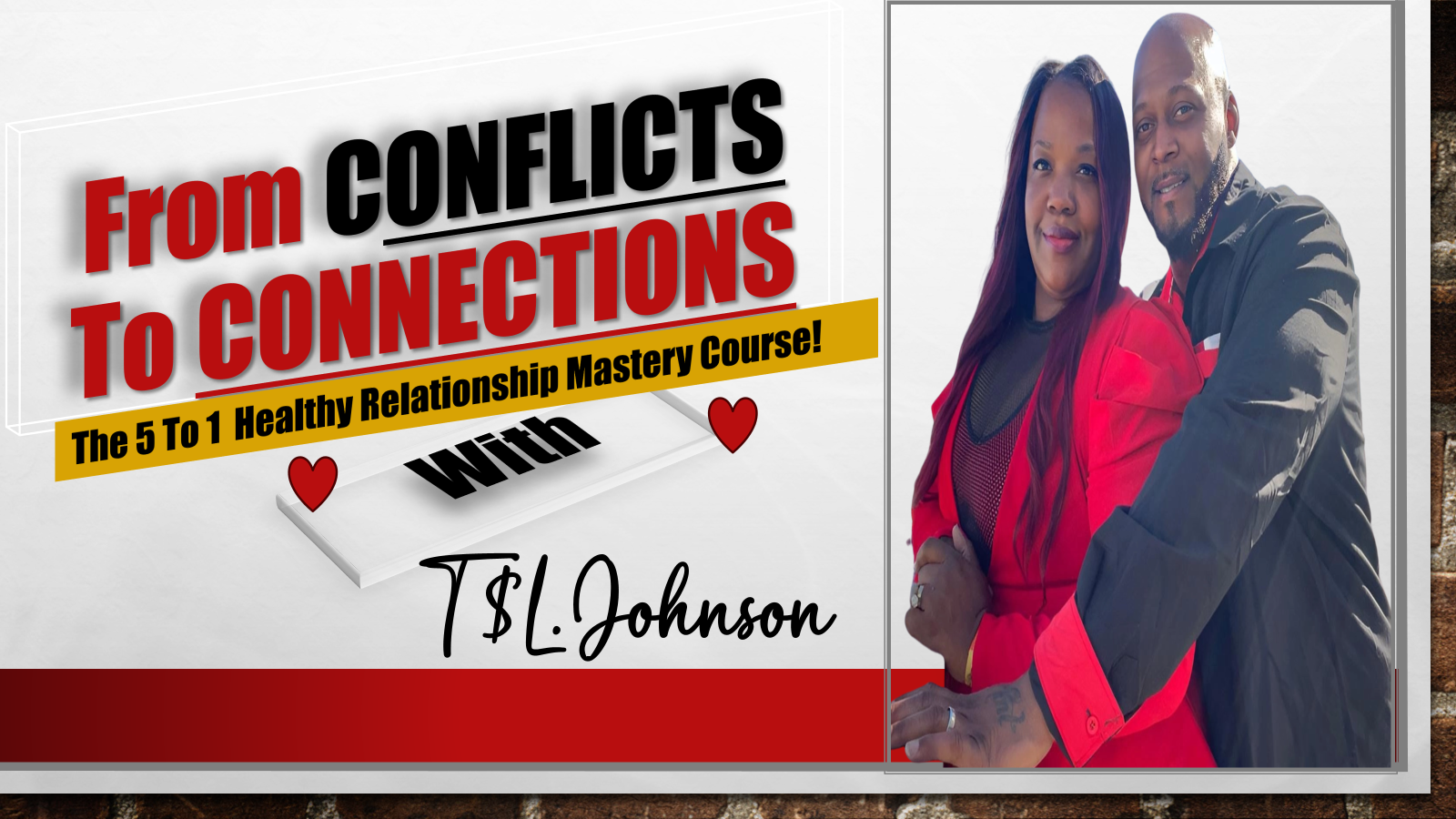
Limited: 🥰Beta Test Our 10-Video Mini Course For Free ” The Full Course Will Soon Be $297 ” 🥰5:1 Conflict2Connection Healthy Relationship Mastery Course Mini Course 🥰
Find Out More Here
Having boundaries allows both of us to communicate more effectively without escalating emotions. It’s important to discuss and agree on these boundaries together. Communicating your limits can also help preserve respect and understanding within your marriage.
Don’t be afraid to voice your limits. In the end, it helps create a safe environment where both of you can bring up challenging topics without the fear of crossing lines.
Practicing Empathy
Understanding Perspectives
Empathy has become a cornerstone in my marriage. When my partner shares their feelings, I make it a point to put myself in their shoes. This understanding can drastically change how I respond. If they’re feeling stressed at work, I try to imagine what that pressure must feel like for them.
This perspective-taking has not only improved our conversations but also deepened our connection. I’ve realized that when I try to understand their feelings, I become more patient and supportive. It allows for a more compassionate discussion.
Incorporate empathy into your communication. Ask yourself, “How would I feel if I were in their position?” This simple shift can lead to more meaningful interactions.
Choosing Kindness in Responses
It’s so easy to get caught up in my own emotions during a discussion, but I’ve learned that choosing kindness is crucial. Even when I feel triggered, responding with love and respect can de-escalate situations. I often remind myself: “Is my response going to help or hurt?”
When I meet my partner’s concerns with kindness—something as simple as saying “I really appreciate you sharing that with me”—it can transform potentially uncomfortable exchanges into constructive conversations. The focus shifts from conflict to cooperation.
Remember, we’re both on the same team! Practicing kindness helps reinforce that team spirit. It gives us a chance to tackle issues together instead of against each other.
Continuously Learning from Each Other
Lastly, I’ve learned that communication is an ongoing process. Every conversation holds an opportunity for growth. After a tough chat, I often reflect on what went well and what could be improved. I also invite my partner to share their thoughts on our discussions.
Having this open feedback loop enables us to continuously enhance our communication skills together. We’ve taken the time to learn new techniques, and it’s been fun to implement them and see how much it helps!
Communication isn’t a “one and done” deal. Embrace the process of learning together, and remember that every experience can lead to a deeper understanding.
FAQ
What is the first step to improve communication in marriage?
The first step is to actively listen. Make sure you are present in the conversation and focused on your partner’s words to truly understand their feelings and thoughts.
How can I make my partner feel heard?
To make your partner feel heard, practice affirming their feelings by acknowledging what they say. You can do this by using phrases like “I understand that you feel…” and clarifying what you’ve heard.
What role does empathy play in communication?
Empathy plays a huge role as it allows you to understand and relate to your partner’s feelings. By putting yourself in their shoes, you foster a deeper emotional connection that enhances overall communication.
How can I be more specific in my conversations?
To be more specific, try stating exactly what you need or how you feel instead of using vague references. This helps eliminate ambiguity and ensures that your partner understands your expectations clearly.
Why is practicing kindness important in communication?
Practicing kindness is crucial because it helps to de-escalate tense situations and reinforces mutual respect. When responses are delivered with kindness, it promotes a supportive environment, making it easier to discuss even difficult topics.

Schedule Your First 20-Minute Coaching
Call With Us Today to see if we fit . You pick the price!
Click Here
